Last year, my small backyard looked completely lifeless. Dry soil, no greenery, and honestly, no motivation. I used to think gardening required a big budget, fancy tools, and a lot of experience — none of which I had.
I was using a Realme Narzo 50, Android 13, mostly for random scrolling, when I decided to actually solve my own problem: create a simple, low-cost garden at home.
I didn’t follow any complicated guides. I just started small, made mistakes, and fixed them step by step. What I’m sharing here is exactly what worked for me, not theory.
Step 1: I Stopped Overthinking and Started Small
At first, I wanted a “perfect garden.” That mindset stopped me from starting at all.
So I changed my approach:
-
I picked one small corner of my backyard
-
Cleared trash, stones, and dry leaves
-
Didn’t buy anything yet
Lesson: You don’t need a big plan — you just need to start.
Step 2: Using Plastic Bottles Instead of Buying Pots
I didn’t want to spend money on expensive pots, so I reused what I already had.
What I did:
-
Cut old plastic bottles in half
-
Made small holes at the bottom for drainage
-
Hung some bottles on the wall using rope


Result: I created 8–10 small planters without spending anything.
Step 3: Fixing My Biggest Mistake — Bad Soil
My first plants died within a week. That’s when I realized the problem wasn’t the plants — it was the soil.
What I changed:
-
Mixed garden soil + kitchen compost + sand
-
Made sure the soil wasn’t too hard or too loose
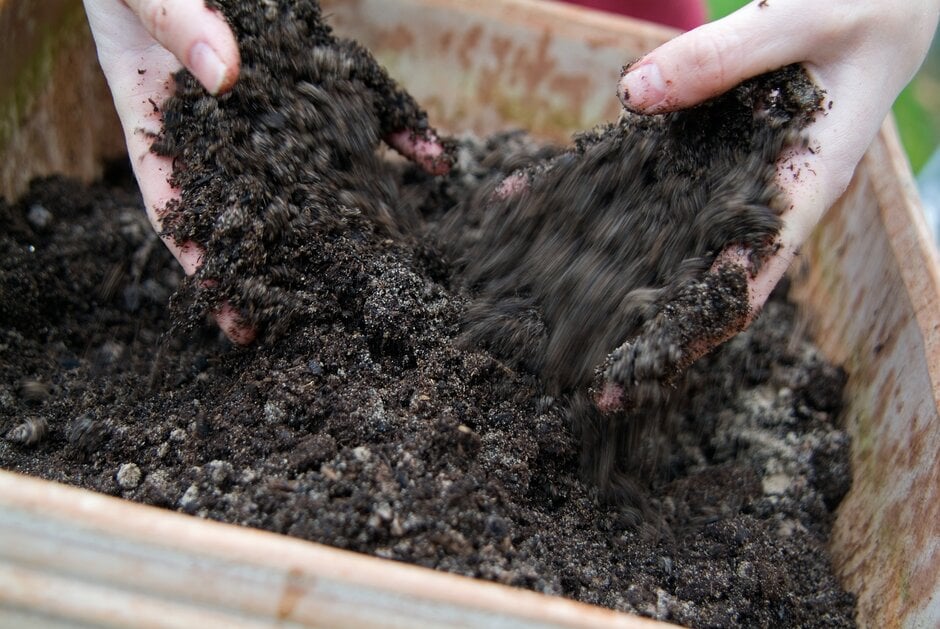


Result: Plants started surviving and growing properly.
Step 4: Growing Vegetables From Kitchen Waste
I didn’t buy seeds at first. I used what I already had at home.
What worked for me:
-
Coriander (dhania) from leftover seeds
-
Green chilies from kitchen
-
Tomatoes from overripe ones


Result: Within 2–3 weeks, I saw real growth. That moment changed everything for me.
Step 5: Watering the Right Way (I Was Doing It Wrong)
At first, I watered plants randomly — sometimes too much, sometimes too little.
What I fixed:
-
Watered early morning only
-
Checked soil before watering (not blindly)
-
Avoided waterlogging
Result: No more dying plants due to overwatering.
Step 6: Sunlight — The Game Changer
Some plants weren’t growing at all. I thought they were weak — but the real issue was lack of sunlight.
What I did:
-
Moved plants to a spot with 4–6 hours sunlight
-
Rotated pots every few days

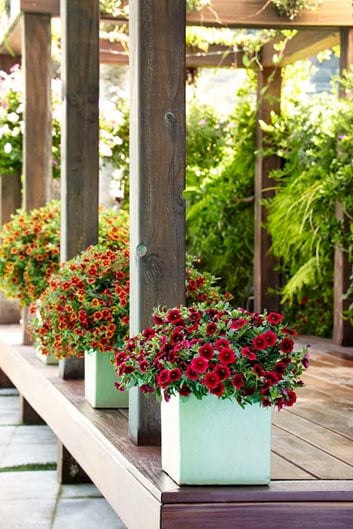
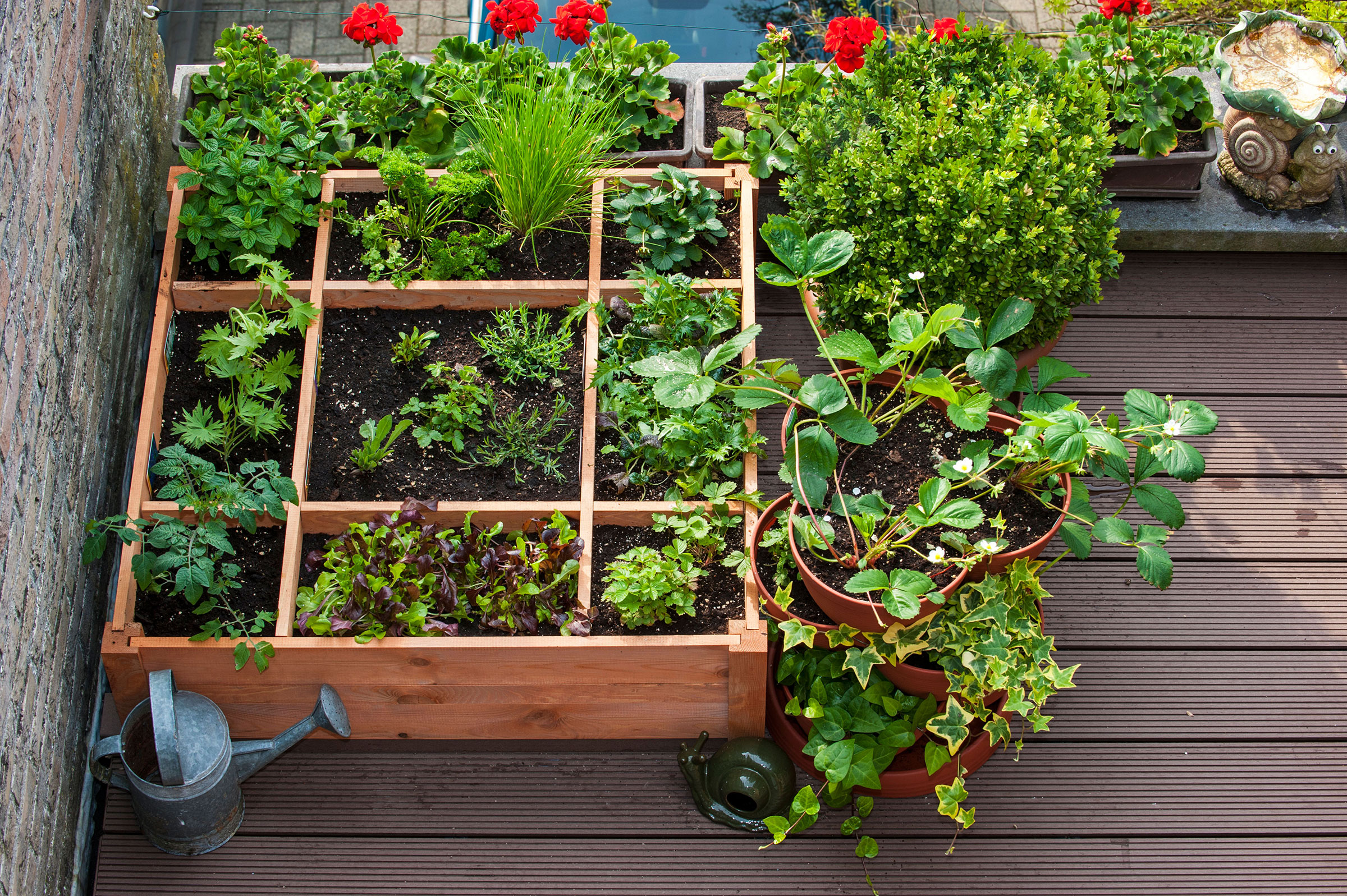
Result: Growth improved noticeably within days.
Step 7: Simple DIY Compost (No Cost Fertilizer)
Instead of buying fertilizers, I used kitchen waste.
My method:
-
Collected vegetable peels, tea leaves, eggshells
-
Stored them in a container
-
Let them decompose naturally
Result: Free, natural fertilizer that actually worked better than chemical ones.
Step 8: Turning It Into a Daily Habit
The biggest change wasn’t the plants — it was my routine.
-
10 minutes every morning checking plants
-
Light watering and cleaning
-
Observing growth
It became something I actually enjoyed instead of feeling like work.
Step 9: What My Garden Looks Like Now
After a few months:
-
Fresh coriander available anytime
-
Green chilies growing regularly
-
Small tomato plants producing fruit
-
A clean, green space instead of dry land
And the best part? I didn’t spend much money at all.
Frequently Asked Questions (FAQs)
1. Can I start gardening without buying anything?
Yes. Start with plastic bottles, kitchen waste, and basic soil. That’s exactly what I did.
2. Why do my plants keep dying?
Most common reasons:
-
Overwatering
-
Poor soil
-
Lack of sunlight
Fix these first before trying anything else.
3. Which plants are best for beginners?
-
Coriander
-
Mint
-
Green chilies
-
Tomatoes
They grow easily and don’t require expert care.
4. Do I need fertilizers?
Not necessarily. Kitchen compost works surprisingly well and is free.
5. How much time does gardening take daily?
Honestly, 10–15 minutes is enough if you stay consistent.
Wrap-Up: What Actually Made the Difference
If I look back, my garden didn’t improve because of expensive tools or expert knowledge. It improved because I fixed simple mistakes:
-
Started small instead of waiting for perfection
-
Used recycled materials instead of buying everything
-
Fixed soil quality
-
Learned proper watering habits
-
Ensured enough sunlight
-
Used kitchen waste as compost
That’s it. No complicated methods.
If your garden isn’t working right now, don’t give up. I was in the same situation — dry soil, dead plants, zero experience.