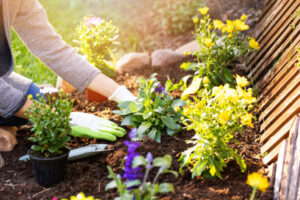
Gardening is rewarding, but keeping soil fertile, plants healthy, and waste under control can be a challenge. Composting is one of the simplest, most natural ways to address these concerns while supporting sustainable gardening practices. By recycling kitchen scraps, yard waste, and organic materials, composting transforms everyday waste into nutrient-rich soil that improves plant growth and garden organization. In this article, we’ll explore why composting benefits home gardens naturally and provide actionable tips for beginners.
Understanding Composting and Its Purpose
Composting is the natural decomposition of organic materials like vegetable peels, grass clippings, and leaves into rich, dark soil known as humus. This humus can then be added to garden beds or pots to enhance fertility.
How this helps: Knowing what composting is and how it works gives gardeners confidence in its benefits and encourages consistent use.
Tips for beginners:
-
Separate organic waste from trash for composting.
-
Include a balance of “green” materials (food scraps, coffee grounds) and “brown” materials (dry leaves, cardboard).
-
Avoid composting meat, dairy, or oily foods, as these can attract pests.
Example: A family kitchen can produce enough food scraps in a week to create a small compost bin that feeds a vegetable garden.
Common mistake: Adding too many wet materials without balancing with dry ones can make compost soggy and slow decomposition.
Enriching Soil Naturally
One of the biggest benefits of composting is its ability to enrich soil naturally. Compost adds essential nutrients like nitrogen, phosphorus, and potassium without the need for chemical fertilizers.
How this helps: Nutrient-rich soil improves plant growth, increases yields, and supports overall garden health.
Tips for beginners:
-
Mix compost into garden beds before planting to enhance soil structure.
-
Use a top-dressing of compost around established plants to provide continuous nutrients.
-
Test soil periodically to monitor nutrient levels.
Example: Adding a layer of homemade compost around tomato plants helps them grow stronger stems and produce juicier fruit.
Common mistake: Applying compost in excess can temporarily “burn” plants due to high nitrogen levels. Use moderate amounts.
Improving Soil Structure and Drainage
Compost does more than add nutrients; it also improves soil texture. It enhances the soil’s ability to retain water while preventing compaction.
How this helps: Well-structured soil reduces water runoff, encourages root growth, and makes gardening less labor-intensive.
Tips for beginners:
-
Blend compost into clay soil to loosen it and enhance drainage.
-
Mix compost into sandy soil to improve water retention.
-
Regularly top up soil with compost to maintain structure.
Example: In a small backyard garden with heavy clay soil, adding compost allows rainwater to soak in instead of pooling, preventing root rot.
Common mistake: Neglecting regular compost addition can gradually degrade soil structure over time.
Reducing Garden Waste Effectively
Composting is a sustainable way to manage kitchen and garden waste. Instead of throwing away food scraps or yard trimmings, they can be transformed into valuable compost.
How this helps: Reduces landfill contributions, lowers household waste, and provides a free, natural fertilizer.
Tips for beginners:
-
Collect fruit and vegetable scraps in a kitchen caddy for easy transfer to the compost bin.
-
Shred or chop large garden waste for faster decomposition.
-
Layer green and brown materials to balance moisture and aeration.
Example: Grass clippings, fallen leaves, and carrot peels can all be composted to nourish a small herb garden.
Common mistake: Letting compost piles sit without turning can lead to slow decomposition and unpleasant odors.
Encouraging Beneficial Microorganisms
Composting promotes the growth of beneficial bacteria, fungi, and earthworms that help break down organic matter and support healthy soil ecosystems.
How this helps: A thriving microbial population enhances nutrient availability, improves soil aeration, and protects plants naturally.
Tips for beginners:
-
Avoid chemical pesticides or herbicides near compost, as they can harm microbes.
-
Keep compost slightly moist to encourage microbial activity.
-
Turn compost periodically to introduce oxygen and speed up decomposition.
Example: Earthworms in a compost bin eat organic matter, producing castings that are even richer than standard compost.
Common mistake: Overwatering compost can create anaerobic conditions, slowing microbial activity and producing a bad smell.
Supporting Sustainable Gardening Practices
Composting aligns with eco-friendly gardening by recycling organic materials and reducing the need for synthetic fertilizers. It also reduces the carbon footprint associated with transporting waste to landfills.
How this helps: Gardening becomes more sustainable, environmentally responsible, and self-sufficient.
Tips for beginners:
-
Collect all non-meat kitchen scraps for composting.
-
Use compost to reduce reliance on store-bought fertilizers.
-
Consider community compost programs if space is limited.
Example: Urban gardeners can compost kitchen scraps in a small bin or worm composting system, reducing waste and supporting local food gardens.
Common mistake: Believing composting requires a large outdoor area. Small bins or worm composters work perfectly for limited spaces.
Encouraging Healthy Plant Growth Naturally
Compost helps plants grow naturally by providing slow-release nutrients and improving soil fertility without harsh chemicals.
How this helps: Plants grow stronger, resist disease better, and produce higher yields naturally.
Tips for beginners:
-
Use compost when planting seeds or seedlings to promote early growth.
-
Apply compost around flowering plants to encourage blooms.
-
Mix compost into potting soil for container gardening.
Example: A small container garden of peppers thrives when compost is mixed into the potting soil, reducing the need for artificial fertilizers.
Common mistake: Using unfinished compost can contain pathogens or large chunks that hinder plant growth. Ensure compost is fully decomposed before use.
Simple Composting Methods for Beginners
Composting doesn’t need to be complicated. Simple methods include backyard compost bins, vermicomposting with worms, or even small container composting for urban spaces.
How this helps: Accessible methods allow anyone to start composting immediately and enjoy natural garden benefits.
Tips for beginners:
-
Backyard bin: Layer greens and browns, turn weekly, and cover with a lid.
-
Vermicomposting: Use red worms in a bin to produce high-quality compost quickly.
-
Small container composting: Kitchen caddies or sealed bins work for apartments or small gardens.
Example: A worm bin under a kitchen counter can transform leftover vegetable scraps into nutrient-rich compost within weeks.
Common mistake: Failing to monitor moisture, odor, and aeration can make composting ineffective or unpleasant.
Integrating Compost Into Your Garden Routine
To fully benefit from compost, integrate it into regular gardening tasks. Adding compost consistently enhances soil health and garden productivity.
How this helps: Regular use ensures sustained nutrient availability, improved soil structure, and a thriving garden.
Tips for beginners:
-
Top-dress plants with compost once a month.
-
Mix compost into vegetable beds before planting each season.
-
Store extra compost in a covered bin for winter use.
Example: Monthly compost applications to a backyard vegetable patch result in robust plants and richer harvests year after year.
Common mistake: Applying compost sporadically may not provide enough nutrients for optimal plant growth.
Conclusion
Composting is a simple, natural way to enhance home gardens. It enriches soil, improves structure and drainage, supports beneficial microorganisms, and reduces garden waste—all while promoting sustainable gardening practices. By choosing the right composting method, maintaining a balanced mix of materials, and integrating compost into your garden routine, you can enjoy healthier plants, improved yields, and a more organized, eco-friendly outdoor space. Whether you have a small balcony or a spacious backyard, composting provides practical, cost-effective solutions for natural garden care.
FAQs
1. What can I compost at home?
Vegetable and fruit scraps, coffee grounds, eggshells, grass clippings, leaves, shredded paper, and cardboard are all suitable for composting. Avoid meat, dairy, or oily foods.
2. How long does it take to make compost?
Depending on the method and materials, compost can be ready in 2–6 months. Regular turning and proper moisture speed up decomposition.
3. Can I compost in a small space?
Yes. Small container compost bins or worm composting systems are perfect for apartments, patios, and limited outdoor areas.
4. How often should I add compost to my garden?
Apply compost at planting time and as a top-dressing every month or seasonally, depending on plant needs.
5. Does compost replace fertilizer completely?
Compost provides many essential nutrients and improves soil health naturally. It may reduce the need for chemical fertilizers but does not entirely replace them in nutrient-depleted soils.