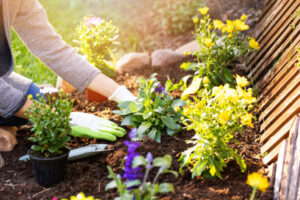
Eco gardening is more than a trend—it is a practical shift toward healthier living and environmental responsibility. Instead of depending on chemical fertilizers, pesticides, and wasteful water use, eco gardening focuses on natural systems that support long-term plant health and soil balance.
What makes this approach powerful is its simplicity. You don’t need expensive tools or advanced knowledge. You only need to understand how nature already works—and then support it instead of interfering too much.
This guide explains eco gardening in a practical, real-world way so you can apply it at home, even if you are a complete beginner.
What Eco Gardening Actually Means
Eco gardening is a sustainable way of growing plants that works with natural ecosystems instead of against them.
It focuses on:
- Reusing natural waste
- Reducing chemical use
- Saving water
- Improving soil naturally
- Encouraging biodiversity
In simple terms, eco gardening means growing plants in a way that keeps the environment healthy while still producing strong, beautiful growth.
Why Eco Gardening Matters More Today
Modern gardening often relies on synthetic fertilizers and pesticides. While they may give quick results, they can harm soil health over time and pollute water systems.
Eco gardening solves these problems by focusing on long-term balance.
Key reasons it matters:
- Protects soil fertility naturally
- Reduces environmental pollution
- Lowers gardening costs
- Improves plant resilience
- Supports local ecosystems
A healthy garden should not just grow plants—it should support life around it.
Core Principles Behind Eco Gardening
Eco gardening is built on a few simple but powerful ideas.
1. Nature Is Self-Sustaining
Healthy ecosystems recycle nutrients naturally.
2. Waste Has Value
Kitchen waste and garden waste can become compost.
3. Less Intervention Is Better
Over-managing plants can sometimes harm them.
4. Diversity Strengthens Growth
Different plants support each other.
5. Conservation Is Essential
Water, soil, and energy must be used responsibly.
1. Composting: Turning Waste Into Plant Food
Composting is one of the most important eco gardening practices.
Instead of throwing away organic waste, you convert it into nutrient-rich soil.
What You Can Compost:
- Vegetable scraps
- Fruit peels
- Tea leaves
- Dry leaves
- Grass clippings
- Coffee grounds
What to Avoid:
- Plastic or metal
- Meat or oily food (attracts pests)
- Chemical waste
Benefits of Composting:
- Improves soil structure
- Increases fertility naturally
- Reduces household waste
- Supports stronger plant growth
Think of compost as natural recycling for your garden.
2. Water-Saving Gardening Methods
Water is one of the most overused resources in gardening.
Eco gardening focuses on using it wisely.
Practical Water-Saving Techniques:
Drip Watering
Delivers water directly to plant roots, reducing waste.
Rainwater Harvesting
Collecting rainwater for garden use.
Mulching
Covering soil with dry leaves or organic material to retain moisture.
Smart Timing
Watering early morning or evening reduces evaporation.
Result:
Less water usage and healthier plants.
3. Natural Pest Control Methods
Instead of chemical pesticides, eco gardening uses safe and natural solutions.
Effective Natural Methods:
Neem-Based Sprays
Neem oil naturally repels many insects.
Companion Planting
Some plants protect others from pests.
Beneficial Insects
Ladybugs and bees help control harmful pests.
Manual Removal
Removing pests by hand in small gardens is effective.
Why This Works:
It maintains ecological balance instead of destroying all insects.
4. Building Healthy Soil Naturally
Soil is the foundation of every garden.
Without healthy soil, plants cannot grow properly.
How to Improve Soil Naturally:
- Add compost regularly
- Avoid chemical fertilizers
- Mix organic matter into soil
- Avoid over-tilling
- Let soil organisms thrive
Healthy soil contains microorganisms that support plant growth naturally.
5. Choosing the Right Plants for Eco Gardening
Not all plants require the same level of care.
Best Choices for Eco Gardens:
Native Plants
Naturally adapted to local climate.
Low-Water Plants
Require less irrigation.
Perennial Plants
Grow year after year with minimal care.
Benefits:
- Less maintenance
- Higher survival rate
- Better environmental balance
6. Companion Planting for Natural Protection
Some plants naturally support each other.
Examples:
- Tomatoes + Basil
- Marigolds + Vegetables
- Mint + Cabbage
How It Helps:
- Repels pests naturally
- Improves growth
- Reduces need for chemicals
It’s like creating teamwork in your garden.
7. Recycling in the Garden
Eco gardening encourages reusing materials instead of discarding them.
Ideas:
- Old containers as plant pots
- Broken pots for drainage layers
- Kitchen waste for compost
- Dry leaves for mulch
This reduces waste and saves money.
8. Avoiding Chemical Dependency
One of the biggest goals of eco gardening is reducing chemical use.
Problems with Chemicals:
- Damage soil life
- Harm beneficial insects
- Pollute water
- Reduce long-term fertility
Eco Alternative:
- Compost instead of fertilizer
- Neem sprays instead of pesticides
- Organic soil improvements
Common Eco Gardening Mistakes
1. Overwatering Plants
Even eco gardens can suffer from water misuse.
2. Using Too Much Compost
Balance is important.
3. Ignoring Plant Compatibility
Some plants do not grow well together.
4. Expecting Fast Results
Eco gardening is slow but long-lasting.
5. Not Observing the Garden
Regular observation is essential.
Simple Eco Gardening Routine
Daily:
- Check plant health
- Water only if needed
Weekly:
- Remove weeds naturally
- Inspect for pests
- Rotate plant positions if needed
Monthly:
- Add compost
- Refresh mulch
- Review soil condition
Consistency is more important than intensity.
Benefits of Eco Gardening Solutions
When practiced correctly, eco gardening provides long-term advantages:
- Healthier soil and plants
- Lower gardening costs
- Reduced environmental impact
- Safer for humans and pets
- More sustainable food production
- Balanced ecosystem in your garden
It is a lifestyle that benefits both you and the environment.
Eco Gardening vs Conventional Gardening
Eco Gardening:
- Natural fertilizers
- Minimal waste
- Water conservation
- Chemical-free growth
Conventional Gardening:
- Chemical-based fertilizers
- Higher water consumption
- Short-term growth focus
- Environmental impact
Eco gardening focuses on sustainability rather than quick results.
Practical Tips for Beginners
1. Start Small
Begin with a few plants and expand gradually.
2. Observe Nature
Learn how plants behave naturally.
3. Avoid Over-Control
Let natural processes work where possible.
4. Reuse Everything Possible
Waste can become a resource.
5. Stay Patient
Eco gardening improves over time.
FAQ: Eco Gardening Solutions
1. What is eco gardening in simple terms?
It is growing plants using natural and environmentally friendly methods.
2. Is eco gardening expensive?
No, it usually reduces costs by reusing waste and avoiding chemicals.
3. Can I do eco gardening at home?
Yes, even small spaces like balconies can be used.
4. What is the best natural fertilizer?
Compost made from organic waste is one of the best options.
5. How long does eco gardening take to show results?
It takes time, but results are healthier and longer-lasting.
Conclusion
Eco gardening solutions are a practical way to grow plants while protecting the environment. Instead of relying on chemicals and artificial methods, this approach uses natural systems like composting, water conservation, and biodiversity.
The real strength of eco gardening lies in patience and consistency. When you work with nature instead of forcing it, your garden becomes healthier, more sustainable, and easier to maintain over time.
Even small changes—like composting kitchen waste or reducing water use—can create a meaningful impact on both your garden and the environment.