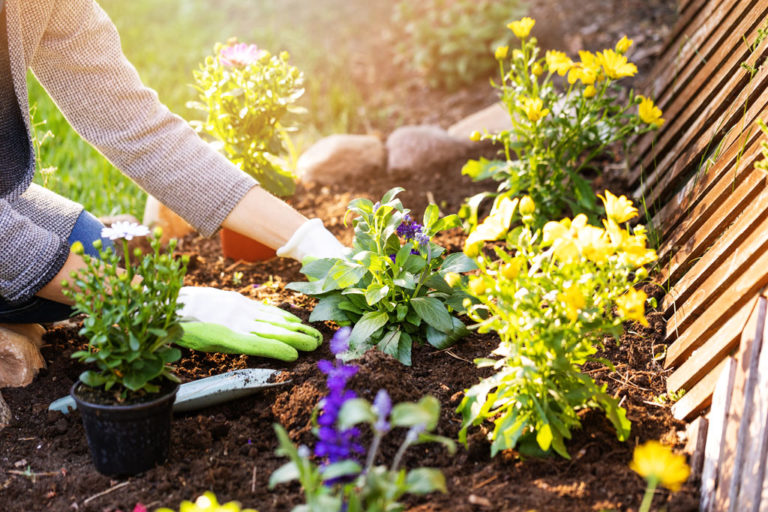
Eco gardening is becoming more important as people look for ways to grow plants while protecting the environment. Instead of relying on chemical fertilizers, excessive water use, or harmful pesticides, eco gardening focuses on natural, sustainable methods that support long-term soil and plant health.
It’s not just about gardening—it’s about creating a balance between nature and human activity.
Whether you have a small home garden or a larger outdoor space, eco gardening can help you grow healthier plants while reducing environmental impact.
What Eco Gardening Really Means
Eco gardening is a sustainable approach to growing plants using natural and environmentally friendly methods.
It focuses on:
- Reducing chemical use
- Saving water
- Improving soil health naturally
- Encouraging biodiversity
- Recycling organic waste
In simple words, eco gardening means working with nature instead of against it.
Why Eco Gardening Is Important
Traditional gardening methods can sometimes harm soil, water, and surrounding ecosystems. Eco gardening helps reduce that damage.
Key Benefits:
- Healthier soil and plants
- Reduced water consumption
- Less environmental pollution
- Cost-effective gardening
- Safer for humans, pets, and wildlife
It creates a more balanced and sustainable ecosystem.
Core Principles of Eco Gardening
Eco gardening is based on a few simple but powerful principles:
1. Work With Nature
Instead of forcing growth, support natural processes.
2. Reduce Waste
Reuse organic materials whenever possible.
3. Conserve Resources
Use water and energy efficiently.
4. Avoid Harmful Chemicals
Replace synthetic fertilizers and pesticides with natural alternatives.
5. Promote Biodiversity
Encourage different plants, insects, and microorganisms.
1. Organic Composting
Composting is one of the most important eco gardening practices.
What Is Composting?
It is the process of turning organic waste into nutrient-rich soil.
What You Can Compost:
- Vegetable peels
- Fruit waste
- Dry leaves
- Grass clippings
- Eggshells
Benefits:
- Improves soil fertility
- Reduces household waste
- Supports healthy plant growth
Compost acts as a natural fertilizer without harmful chemicals.
2. Water Conservation Techniques
Water is a valuable resource, and eco gardening focuses on using it wisely.
Smart Water-Saving Methods:
- Drip irrigation systems
- Watering early in the morning or evening
- Collecting rainwater
- Mulching soil to retain moisture
Why It Matters:
Efficient water use reduces waste and helps plants survive in dry conditions.
3. Natural Pest Control
Instead of chemical pesticides, eco gardening uses natural solutions.
Common Methods:
- Neem oil spray
- Companion planting (plants that protect each other)
- Encouraging beneficial insects like ladybugs
- Homemade organic sprays
Benefits:
- Safe for humans and pets
- Protects soil health
- Maintains ecological balance
4. Soil Health Management
Healthy soil is the foundation of eco gardening.
How to Improve Soil Naturally:
- Add compost regularly
- Use organic mulch
- Avoid over-tilling
- Rotate crops in vegetable gardens
Good soil leads to stronger and healthier plants.
5. Plant Diversity and Companion Planting
Eco gardening encourages growing different types of plants together.
Benefits of Plant Diversity:
- Reduces pest problems
- Improves soil nutrients
- Enhances garden resilience
Example:
- Tomatoes grow well with basil
- Marigolds help repel insects
This natural balance reduces the need for chemicals.
6. Recycling and Reusing Garden Waste
Eco gardening promotes reusing materials instead of throwing them away.
Examples:
- Using kitchen waste for compost
- Reusing old containers as pots
- Turning dry leaves into mulch
This reduces waste and supports sustainability.
7. Choosing Native Plants
Native plants are naturally suited to your local environment.
Benefits:
- Require less water
- Resist local pests
- Grow with minimal care
- Support local wildlife
They are more sustainable than exotic plant species.
Common Eco Gardening Mistakes
1. Using Too Much Water
Even eco gardens can waste water if not managed properly.
2. Overusing Compost
Too much compost can imbalance soil nutrients.
3. Ignoring Plant Compatibility
Not all plants grow well together.
4. Using Partial Chemical Solutions
Mixing chemicals with organic methods reduces effectiveness.
5. Lack of Consistency
Eco gardening requires regular care and patience.
Simple Eco Gardening Routine
Daily:
- Check plant health
- Water only when needed
Weekly:
- Remove weeds naturally
- Inspect for pests
- Add organic mulch if required
Monthly:
- Add compost
- Review plant growth
- Adjust watering patterns
Consistency is key to success.
Benefits of Eco Gardening
Eco gardening provides both personal and environmental benefits:
- Healthier food and plants
- Reduced environmental impact
- Lower gardening costs
- Improved soil quality
- Safer environment for pets and children
- Long-term sustainability
It creates a healthier connection between humans and nature.
Eco Gardening vs Traditional Gardening
Eco Gardening:
- Natural fertilizers
- Minimal water waste
- No harmful chemicals
- Sustainable methods
Traditional Gardening:
- Chemical-based fertilizers
- Higher water usage
- Pest control chemicals
- Less focus on sustainability
Eco gardening is more environmentally friendly and long-lasting.
Practical Eco Gardening Tips
1. Start Small
Begin with a few plants before expanding.
2. Observe Nature
Let plants guide your care routine.
3. Avoid Over-Intervention
Sometimes less interference leads to better growth.
4. Reuse Household Waste
Turn waste into valuable gardening resources.
5. Stay Patient
Eco gardening takes time but gives long-term results.
FAQ: Eco Gardening Solutions
1. What is eco gardening in simple words?
It is gardening using natural and environmentally friendly methods.
2. Is eco gardening expensive?
No, it often reduces costs by using natural and recycled materials.
3. Can I start eco gardening at home?
Yes, even small balconies or backyards can be used.
4. What is the best natural fertilizer?
Compost made from organic waste is one of the best options.
5. Why is eco gardening better than chemical gardening?
It is safer, healthier, and more sustainable for the environment.
Conclusion
Eco gardening is not just a gardening method—it is a lifestyle choice that supports nature, reduces waste, and promotes sustainability. By using natural fertilizers, conserving water, and avoiding harmful chemicals, you can create a healthier garden and contribute to a cleaner environment.
Even small changes in your gardening habits can make a big difference over time. When you garden with nature instead of against it, you create a space that is not only beautiful but also environmentally responsible.