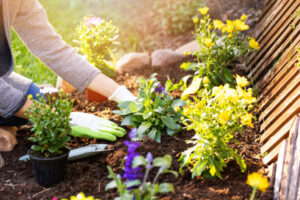
Gardening is an enjoyable and rewarding activity, but conventional gardening practices often rely heavily on chemical fertilizers, herbicides, and pesticides. While these chemicals may provide quick results, they can harm beneficial insects, pollute soil and water, and affect human and animal health. Reducing chemical use in your garden not only promotes sustainability but also encourages natural growth, strengthens plant resilience, and supports a balanced ecosystem. Fortunately, with the right strategies and techniques, you can maintain a healthy, productive garden while minimizing or even eliminating chemical inputs. This article explores practical ways to reduce chemical use in your garden.
Understand the Impact of Chemicals in Gardening
Before reducing chemical use, it’s important to understand their effects. Synthetic fertilizers can disrupt soil microorganisms, while pesticides may kill not only harmful pests but also beneficial insects like bees and ladybugs. Herbicides may contaminate groundwater or nearby water sources.
How this helps: Understanding the impact motivates gardeners to adopt natural alternatives, improving both plant health and environmental safety.
Use Compost and Organic Fertilizers
Replacing chemical fertilizers with compost or organic amendments is a fundamental way to reduce chemicals. Compost improves soil fertility naturally and encourages beneficial microorganisms.
Practical tips:
-
Add kitchen scraps, yard waste, and leaf litter to a compost pile.
-
Use well-rotted manure or organic fertilizers like bone meal or seaweed extract.
-
Apply compost annually to garden beds to improve soil structure and nutrient content.
How this helps: Organic fertilizers nourish plants naturally, reduce dependence on chemical inputs, and improve water retention in soil.
Implement Crop Rotation and Plant Diversity
Chemical use is often required when pests and diseases build up in monoculture gardens. Crop rotation and plant diversity naturally reduce these problems.
How to apply:
-
Rotate plant families each season to prevent soil-borne pests and nutrient depletion.
-
Interplant flowers, herbs, and vegetables to confuse pests and attract beneficial insects.
-
Include cover crops like clover or legumes to naturally enrich the soil with nitrogen.
How this helps: Crop rotation reduces pest and disease pressure, cutting the need for chemical pesticides, while increasing long-term soil fertility.
Encourage Beneficial Insects and Pollinators
Many insects are natural predators of common garden pests. Attracting and protecting these beneficial insects reduces the need for chemical pesticides.
Tips to attract beneficial insects:
-
Plant flowering herbs such as dill, fennel, and marigolds.
-
Provide water sources and shelter, such as insect hotels or shallow trays.
-
Avoid broad-spectrum chemical sprays that kill both pests and beneficial insects.
How this helps: Natural predators keep pest populations under control, allowing for reduced chemical interventions.
Use Homemade and Natural Sprays
Homemade sprays are a safe alternative to synthetic pesticides. They can be made using readily available ingredients and are effective against many common pests.
Examples of natural sprays:
-
Neem oil spray: Effective against aphids, whiteflies, and spider mites.
-
Soap and water spray: Works on soft-bodied insects like mealybugs and aphids.
-
Garlic or chili spray: Strong odors repel many garden pests naturally.
Application tips:
-
Test sprays on a small area first to avoid plant damage.
-
Apply early in the morning or late evening to prevent leaf burn.
-
Reapply after heavy rain for continued protection.
How this helps: Natural sprays control pests while preserving beneficial insects, reducing chemical reliance.
Practice Physical Pest Barriers
Physical barriers provide chemical-free protection for plants. They prevent pests from reaching leaves, flowers, and fruits without harming the ecosystem.
Types of barriers:
-
Row covers: Lightweight fabrics protect seedlings from insects like caterpillars and beetles.
-
Netting or mesh: Protects fruiting plants from birds and larger pests.
-
Copper tape or crushed eggshells: Deters slugs and snails from reaching plants.
How this helps: Physical barriers prevent pest damage without the need for toxic chemicals, keeping your garden safe and sustainable.
Maintain Garden Hygiene
Clean gardening practices significantly reduce the need for chemicals. Pests and diseases often thrive in neglected or cluttered spaces.
Hygiene practices:
-
Remove dead leaves, fallen fruit, and plant debris promptly.
-
Regularly prune plants to improve air circulation.
-
Disinfect tools to prevent the spread of pests or pathogens.
How this helps: A clean garden lowers pest and disease pressure, reducing the necessity for chemical treatments.
Optimize Watering and Soil Health
Healthy soil and proper watering reduce stress on plants, making them less susceptible to diseases and pests. Stressed plants often require chemical interventions to recover.
Tips for water and soil management:
-
Water plants deeply but less frequently to encourage strong root growth.
-
Use mulch to retain soil moisture and prevent weed growth.
-
Add compost or organic matter to improve soil structure and nutrient availability.
How this helps: Healthy, well-watered plants resist diseases naturally, minimizing the need for chemical fertilizers and pesticides.
Select Resistant Plant Varieties
Choosing pest- and disease-resistant plant varieties reduces chemical use significantly. Many modern hybrids and native plants are naturally resistant to common garden problems.
Tips for selecting plants:
-
Research disease-resistant vegetable and fruit varieties suitable for your region.
-
Use native flowers and shrubs that are adapted to local soil and climate conditions.
-
Pair resistant plants with companion planting to enhance natural protection.
How this helps: Resistant varieties require fewer chemical interventions, making your garden healthier and easier to manage.
Control Weeds Naturally
Weeds compete with garden plants for water and nutrients. Controlling weeds without chemicals is essential for eco-friendly gardening.
Natural weed control methods:
-
Apply mulch to suppress weed growth.
-
Pull weeds by hand before they set seed.
-
Use landscape fabric or cardboard under mulch to prevent weeds.
-
Plant ground covers to shade out weeds naturally.
How this helps: Reducing weeds naturally eliminates the need for chemical herbicides while maintaining soil health.
Monitor and Adjust Practices Regularly
Reducing chemical use requires careful observation and timely adjustments. By monitoring your garden, you can identify problems early and address them with eco-friendly methods.
Monitoring tips:
-
Inspect plants weekly for signs of pests, diseases, or nutrient deficiencies.
-
Keep a garden journal to track observations, treatments, and results.
-
Adjust watering, mulching, and plant placement based on seasonal conditions.
How this helps: Regular monitoring ensures that problems are controlled before they require chemical solutions, keeping your garden chemical-free.
Conclusion
Reducing chemical use in your garden is achievable with thoughtful practices, careful planning, and ongoing care. By using compost and organic fertilizers, practicing crop rotation, attracting beneficial insects, employing natural sprays and physical barriers, maintaining garden hygiene, optimizing water and soil health, selecting resistant plants, controlling weeds naturally, and monitoring your garden regularly, you can maintain a thriving, sustainable, and chemical-free garden. These practices not only support healthy plant growth but also protect the environment, conserve resources, and create a safe space for people and wildlife. Small, consistent changes can make a big difference in reducing chemical dependence and creating a resilient garden ecosystem.
FAQs
1. Can I completely eliminate chemical fertilizers in my garden?
Yes. By using compost, organic fertilizers, and natural soil amendments, you can nourish your plants without relying on chemicals.
2. Are homemade pest sprays effective against all garden pests?
They work against most common pests like aphids, spider mites, and whiteflies, especially when combined with other eco-friendly practices.
3. How often should I monitor my garden to reduce chemical use?
Weekly inspections are recommended to catch pests and diseases early before chemical intervention becomes necessary.
4. Can mulch really reduce the need for chemicals?
Yes. Mulching suppresses weeds, retains soil moisture, and improves soil health, reducing the need for herbicides and fertilizers.
5. Are native plants better for chemical-free gardening?
Absolutely. Native plants are adapted to local conditions, require less water and fertilizer, and are more resistant to pests and diseases.