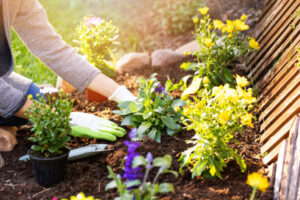
Gardening is more than just growing plants—it’s about creating a sustainable environment that supports both nature and your daily life. Practicing eco-friendly gardening at home helps reduce waste, conserve resources, and protect local ecosystems while keeping your garden healthy and productive. Unlike conventional gardening, which often relies heavily on chemical fertilizers, pesticides, and excessive water, eco-friendly gardening emphasizes natural solutions, careful planning, and responsible habits. In this article, we’ll explore practical and actionable ways you can implement eco-friendly gardening at home, step by step.
Start With Composting
Composting is a cornerstone of eco-friendly gardening. By turning kitchen scraps and yard waste into nutrient-rich soil, you reduce waste while nourishing your plants naturally.
Practical composting tips:
-
Collect vegetable peels, fruit scraps, coffee grounds, eggshells, and yard clippings.
-
Avoid composting meat, dairy, and oily foods as they can attract pests.
-
Maintain a balanced mix of “greens” (nitrogen-rich material) and “browns” (carbon-rich material) to speed up decomposition.
-
Turn the pile regularly to aerate and prevent odor.
How this helps: Composting reduces reliance on chemical fertilizers, improves soil fertility, retains moisture, and encourages healthy plant growth. Many gardeners notice their plants flourish naturally without synthetic inputs.
Conserve Water With Smart Irrigation
Water is one of the most important resources for your garden. Eco-friendly gardening focuses on reducing water waste while ensuring plants receive adequate hydration.
Water-saving strategies:
-
Install drip irrigation or soaker hoses to deliver water directly to roots.
-
Use mulch to retain soil moisture and reduce evaporation.
-
Collect rainwater in barrels or containers to reduce dependence on municipal water.
-
Water early in the morning or late evening to minimize evaporation.
How this helps: Smart irrigation conserves water, saves money on your utility bills, and prevents overwatering, which can lead to root rot or fungal diseases.
Choose Native and Drought-Resistant Plants
Native plants are naturally adapted to your local climate, requiring less water and fewer fertilizers. Drought-resistant plants are also a great choice for eco-friendly gardens.
Tips for selecting plants:
-
Research plants that thrive in your region without extra care.
-
Mix flowering plants with shrubs and trees to create diverse habitats for pollinators.
-
Choose vegetables and herbs suited to your climate to reduce water and nutrient needs.
How this helps: Using native or drought-tolerant plants reduces resource consumption, encourages biodiversity, and creates a more resilient garden.
Reduce Chemical Use With Natural Pest Control
Eco-friendly gardening avoids harmful pesticides and herbicides. Instead, use natural methods to keep pests under control.
Effective natural pest control methods:
-
Introduce beneficial insects like ladybugs, lacewings, or predatory beetles.
-
Make homemade sprays using neem oil, garlic, chili, or mild soap.
-
Use physical barriers like row covers, netting, or copper tape for slugs.
-
Plant companion species that repel pests naturally.
How this helps: Reducing chemical use protects beneficial insects, soil health, and water quality while keeping your garden safe for children, pets, and wildlife.
Practice Crop Rotation and Plant Diversity
Crop rotation and diverse planting patterns are key strategies for eco-friendly vegetable gardening.
How to implement:
-
Rotate plant families each season to prevent soil-borne pests and nutrient depletion.
-
Interplant vegetables, herbs, and flowers to confuse pests and attract beneficial insects.
-
Include cover crops like clover or legumes to improve soil nitrogen naturally.
How this helps: Rotation and diversity prevent pest buildup, reduce the need for synthetic fertilizers, and maintain soil fertility for long-term garden health.
Mulch Your Garden Beds
Mulching is an easy and effective eco-friendly practice that conserves water, suppresses weeds, and enriches the soil.
Tips for mulching:
-
Use organic materials like straw, shredded leaves, grass clippings, or wood chips.
-
Apply 2–4 inches around plants, avoiding direct contact with stems.
-
Replenish mulch as it decomposes over time.
How this helps: Mulching reduces watering needs, limits weed growth without chemicals, and slowly improves soil texture as it decomposes.
Reuse and Recycle Materials
Eco-friendly gardening extends beyond plants—it includes reusing materials to minimize waste.
Practical ideas:
-
Repurpose containers like jars, old buckets, or plastic pots for seedlings.
-
Use broken pottery or bricks for garden paths or borders.
-
Recycle cardboard or newspaper as weed barriers under mulch.
How this helps: Reusing and recycling reduces landfill waste, saves money, and aligns your gardening habits with sustainability principles.
Encourage Pollinators and Wildlife
A healthy garden supports local ecosystems. Pollinators like bees, butterflies, and hummingbirds are crucial for fruit and vegetable production.
Ways to attract pollinators and wildlife:
-
Plant a variety of flowering plants that bloom in different seasons.
-
Avoid pesticides that harm bees and other pollinators.
-
Provide water sources, like shallow bird baths or small ponds.
-
Install birdhouses or insect hotels for shelter.
How this helps: Supporting wildlife increases pollination rates, improves plant yield, and creates a balanced, thriving garden ecosystem.
Reduce Lawn Area and Plant Edible Gardens
Lawns are resource-intensive, requiring water, mowing, and fertilizers. Replacing some lawn space with edible gardens reduces environmental impact.
Tips:
-
Grow vegetables, herbs, or fruit trees in raised beds or containers.
-
Use vertical gardening to maximize space and reduce water use.
-
Integrate flowers and vegetables to create beauty and functionality.
How this helps: Less lawn reduces water and energy use while providing fresh, organic produce at home.
Maintain Healthy Soil Naturally
Soil health is the foundation of eco-friendly gardening. Healthy soil supports plant growth, reduces pest problems, and retains water efficiently.
Ways to maintain soil health:
-
Regularly add compost or well-rotted manure.
-
Avoid over-tilling, which disrupts soil structure and beneficial organisms.
-
Plant cover crops during off-seasons to prevent erosion and fix nutrients.
-
Test soil periodically and adjust pH with natural amendments like lime or sulfur.
How this helps: Healthy soil strengthens plants naturally, reduces dependency on fertilizers, and encourages beneficial microbes that help control pests.
Conclusion
Practicing eco-friendly gardening at home is achievable with thoughtful planning, consistent care, and sustainable practices. By composting, conserving water, choosing native plants, using natural pest control, diversifying crops, mulching, reusing materials, supporting pollinators, reducing lawns, and maintaining healthy soil, you create a resilient, productive, and environmentally responsible garden. Eco-friendly gardening not only benefits your plants but also contributes to a healthier environment and local biodiversity. Small, consistent actions make a significant difference, and your garden can become a model of sustainability for your community.
FAQs
1. Can eco-friendly gardening really reduce water usage?
Yes. Techniques like mulching, drip irrigation, and drought-tolerant plants significantly lower water consumption without harming plants.
2. Are homemade pest solutions safe for edible plants?
Absolutely. Neem oil, soap sprays, and garlic or chili sprays are safe for vegetables and herbs when applied correctly.
3. How do I start composting at home?
Collect kitchen scraps and yard waste, balance “greens” and “browns,” and turn the pile regularly for aeration. Avoid meat, dairy, and oily foods.
4. Can native plants really replace exotic species in my garden?
Yes. Native plants require less water, attract beneficial insects, and support local biodiversity more effectively than many exotic species.
5. How often should I inspect my garden for eco-friendly maintenance?
At least once a week. Regular checks allow early detection of pests, diseases, and nutrient deficiencies, minimizing problems without chemicals.