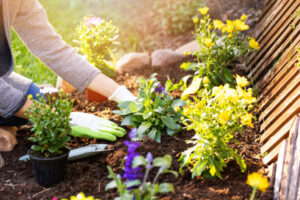
Gardening is more than just planting flowers or vegetables; it’s an opportunity to care for the environment while growing your own green space. Eco gardening focuses on sustainable practices that conserve resources, protect wildlife, and reduce chemical use. For beginners, adopting eco-friendly methods may seem overwhelming, but small, intentional steps can make a significant impact. This guide shares practical, beginner-friendly eco gardening tips that save money, protect the environment, and help your garden thrive naturally.
Choose Native Plants for Your Garden
Native plants are species that naturally grow in your region. They are adapted to local soil, climate, and rainfall, making them low-maintenance and eco-friendly.
How this helps: Native plants require less water, fewer fertilizers, and fewer pesticides, reducing environmental impact while supporting local pollinators and wildlife.
Tips for beginners:
-
Research plants that are native to your area using local gardening guides or extension services.
-
Mix flowering plants and shrubs to attract pollinators like bees and butterflies.
-
Group plants with similar water needs together for efficiency.
Example: Planting native wildflowers in a small backyard attracts bees and butterflies while minimizing watering.
Common mistake: Choosing exotic plants that demand excessive water or chemicals can harm the environment and your budget.
Use Organic Fertilizers and Compost
Instead of synthetic fertilizers, opt for organic options like compost, manure, or commercially available organic fertilizers. These nourish plants naturally and improve soil health over time.
How this helps: Organic fertilizers reduce chemical runoff into waterways and create healthy, nutrient-rich soil that benefits plants and the ecosystem.
Tips for beginners:
-
Make your own compost using kitchen scraps, garden waste, and shredded paper.
-
Apply compost as a top dressing or mix it into garden beds.
-
Rotate crops or alternate plant types to naturally replenish soil nutrients.
Example: A small vegetable garden thrives with homemade compost applied monthly, avoiding the need for chemical fertilizers.
Common mistake: Overusing organic fertilizers can still stress plants; moderation is key.
Save Water With Smart Irrigation
Water conservation is crucial for eco gardening. Simple irrigation strategies reduce waste while keeping plants healthy.
How this helps: Efficient watering saves resources, prevents waterlogging, and reduces soil erosion.
Tips for beginners:
-
Use drip irrigation or soaker hoses to deliver water directly to plant roots.
-
Collect rainwater in barrels or buckets for garden use.
-
Water early in the morning or late in the evening to minimize evaporation.
-
Mulch soil to retain moisture.
Example: A drip irrigation system in a raised bed garden delivers water directly to tomatoes, reducing water use and keeping leaves dry to prevent disease.
Common mistake: Overwatering or using sprinklers on hot afternoons can waste water and damage plants.
Implement Mulching Techniques
Mulch protects soil, conserves water, suppresses weeds, and adds nutrients as it decomposes. Organic mulches include wood chips, straw, leaves, and grass clippings.
How this helps: Mulching reduces maintenance, supports soil life, and reduces reliance on chemical weed killers.
Tips for beginners:
-
Apply a 2–3 inch layer around plants, leaving space around stems to prevent rot.
-
Use local, recycled, or home-generated mulch for cost-effectiveness.
-
Replenish mulch as it decomposes over time.
Example: A flower bed mulched with shredded leaves keeps soil moist and weeds at bay while naturally enriching the soil.
Common mistake: Using too much mulch directly against plant stems can cause rot or pest problems.
Encourage Beneficial Wildlife
An eco-friendly garden attracts helpful insects, birds, and other wildlife that support plant health. Ladybugs, bees, and earthworms play crucial roles in pollination and pest control.
How this helps: Encouraging wildlife reduces the need for chemical pesticides and creates a balanced ecosystem in your garden.
Tips for beginners:
-
Plant a variety of flowering plants to provide nectar for pollinators.
-
Provide bird feeders, bat boxes, or bee hotels to support wildlife.
-
Avoid pesticides that harm beneficial species.
Example: Planting lavender, sunflowers, and marigolds attracts bees that pollinate your vegetable garden naturally.
Common mistake: Using insecticides indiscriminately kills both pests and helpful insects.
Practice Companion Planting
Companion planting involves growing different plants together to naturally deter pests, improve soil nutrients, or support growth.
How this helps: Reduces chemical use, improves yields, and strengthens plant health.
Tips for beginners:
-
Pair plants with complementary characteristics, like basil with tomatoes to repel aphids.
-
Rotate crops each season to prevent soil depletion.
-
Mix flowering plants with vegetables to attract pollinators.
Example: Planting marigolds alongside peppers reduces nematode problems while adding color to the garden.
Common mistake: Planting incompatible species together can lead to stunted growth or disease.
Reduce Garden Waste
Eco gardening involves minimizing waste. Composting, reusing containers, and recycling garden materials reduces environmental impact.
How this helps: Reduces landfill waste, provides natural fertilizers, and saves money on gardening supplies.
Tips for beginners:
-
Use old buckets, crates, or pots for container gardening.
-
Compost fruit and vegetable scraps, leaves, and grass clippings.
-
Reuse mulch or fallen branches to protect soil.
Example: A small balcony garden recycles coffee grounds and eggshells into pots, enriching soil without additional cost.
Common mistake: Throwing organic waste in the trash wastes nutrients that could benefit your garden.
Minimize Chemical Use
Avoid synthetic herbicides, pesticides, and fungicides when possible. Eco gardening emphasizes natural pest and weed management.
How this helps: Protects soil health, beneficial insects, and local waterways.
Tips for beginners:
-
Use hand-weeding, mulching, or natural pest deterrents like neem oil.
-
Introduce beneficial insects like ladybugs or lacewings to manage pests.
-
Monitor plants regularly to catch problems early.
Example: Hand-picking aphids from plants and releasing ladybugs reduces pest problems without harmful chemicals.
Common mistake: Using chemicals as a first solution often kills helpful organisms and can create long-term soil problems.
Start a Small Eco-Friendly Container Garden
For beginners or urban gardeners, container gardening is a practical eco solution. It allows for water efficiency, controlled soil use, and minimal chemical application.
How this helps: Small container gardens save space, reduce resource use, and are ideal for beginners learning eco practices.
Tips for beginners:
-
Use recycled containers or biodegradable pots.
-
Choose compact plants suited for containers, like herbs or salad greens.
-
Apply compost or organic fertilizers regularly to maintain soil health.
Example: Growing herbs in recycled tin cans on a balcony produces fresh ingredients while conserving water.
Common mistake: Using non-draining containers can lead to root rot and waste water.
Maintain Soil Health Through Crop Rotation
Even small gardens benefit from rotating plants seasonally. This prevents soil nutrient depletion and reduces pest buildup.
How this helps: Keeps soil fertile naturally, reduces the need for chemical fertilizers, and minimizes disease problems.
Tips for beginners:
-
Alternate plant families each season (e.g., legumes one year, leafy greens the next).
-
Track plant locations in a simple notebook or garden chart.
-
Combine rotation with composting for maximum soil benefits.
Example: Rotating tomatoes, beans, and carrots in raised beds prevents nutrient depletion and improves yields naturally.
Common mistake: Planting the same crops repeatedly can lead to soil exhaustion and increased pest problems.
Conclusion
Eco gardening is an accessible and practical approach for beginners. By choosing native plants, using organic fertilizers, saving water, mulching, encouraging wildlife, and minimizing chemicals, even small gardens can thrive naturally. Composting, container gardening, companion planting, and crop rotation further enhance sustainability while creating a productive, beautiful space. These simple tips not only reduce environmental impact but also improve plant health and yield, proving that beginner-friendly eco gardening is both achievable and rewarding. Starting small, observing your garden, and adopting gradual changes ensures long-term success and enjoyment for years to come.
FAQs
1. What is the easiest way to start eco gardening?
Begin with native plants, composting, and container gardening, which require minimal resources and care.
2. Can eco gardening save money?
Yes. Using compost, recycled materials, and natural pest control reduces the need for fertilizers, pesticides, and garden supplies.
3. How do I attract beneficial insects to my garden?
Plant flowering native plants, avoid chemicals, and provide habitats like bee hotels or small water sources.
4. Is container gardening eco-friendly?
Absolutely. It saves water, allows soil control, and can utilize recycled containers for a sustainable setup.
5. How often should I add compost or organic fertilizer?
Apply compost or organic fertilizers at planting and as a top-dressing every 4–6 weeks during the growing season.