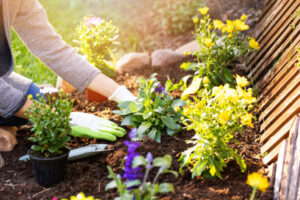
Water is one of the most valuable resources in gardening, yet it’s often used inefficiently. Overwatering not only wastes water but can harm plants, leach nutrients from soil, and increase the risk of diseases. On the other hand, under-watering stresses plants and reduces productivity. Efficient water use in gardening is both eco-friendly and cost-effective. By adopting smart strategies, you can maintain a thriving garden while conserving water, protecting the environment, and reducing your utility bills. This article provides practical, actionable ways to conserve water while gardening efficiently.
Understand Your Garden’s Water Needs
Before implementing water-saving methods, it’s essential to understand the specific water requirements of your plants. Different plants, soil types, and climates have varying needs.
Tips for assessing water needs:
-
Group plants with similar water requirements together to avoid overwatering or underwatering.
-
Observe your plants for signs of stress, such as wilting, yellowing leaves, or slow growth.
-
Take into account seasonal variations; plants often require less water in cooler months.
How this helps: Understanding water needs ensures you supply the right amount, preventing waste and keeping plants healthy.
Use Mulch to Retain Moisture
Mulching is one of the most effective ways to conserve water in the garden. A layer of organic material, such as straw, leaves, or wood chips, helps retain soil moisture by reducing evaporation.
Tips for mulching:
-
Apply 2–4 inches of mulch around plants, keeping it slightly away from the stems.
-
Replenish mulch as it decomposes to maintain moisture retention.
-
Use shredded leaves or compost for additional nutrients while conserving water.
How this helps: Mulching reduces water loss, suppresses weeds that compete for moisture, and improves soil fertility naturally.
Implement Drip Irrigation and Soaker Hoses
Drip irrigation and soaker hoses deliver water directly to the plant roots, minimizing waste. Unlike overhead sprinklers, they reduce evaporation and ensure water reaches the areas that need it most.
Tips for installation and use:
-
Place drip lines or hoses near the base of plants for maximum efficiency.
-
Use timers to water early in the morning or late evening when evaporation is lowest.
-
Check for leaks and clogs regularly to maintain performance.
How this helps: Targeted watering ensures plants receive adequate moisture while conserving water and preventing soil erosion.
Collect and Use Rainwater
Rainwater harvesting is a sustainable way to conserve water for gardening. It reduces dependence on municipal water and provides natural, chemical-free irrigation.
Practical ways to collect rainwater:
-
Install rain barrels or large containers to capture water from gutters.
-
Use downspouts to direct water into storage tanks or directly into garden beds.
-
Combine rainwater collection with drip irrigation systems for efficient use.
How this helps: Rainwater harvesting reduces water bills, provides a natural source of irrigation, and decreases the strain on local water supplies.
Water Early in the Day or Late in the Evening
The timing of watering affects how efficiently plants absorb water. Watering during the hottest part of the day causes rapid evaporation, while watering at the right time maximizes absorption.
Timing tips:
-
Water early in the morning so plants absorb moisture before the sun heats the soil.
-
Water in the late evening if mornings are unavailable, ensuring the soil remains damp overnight.
-
Avoid frequent shallow watering, which encourages weak root growth.
How this helps: Correct watering timing reduces water loss and supports deep root growth, resulting in stronger, healthier plants.
Group Plants According to Water Needs
Plants have different water requirements, and grouping them accordingly ensures efficient watering.
Tips for plant grouping:
-
Place high-water plants together, separate from drought-tolerant varieties.
-
Create zones in your garden based on sun exposure and soil moisture levels.
-
Adjust watering schedules for each zone to match plant needs.
How this helps: Grouping plants minimizes overwatering and ensures each plant receives the right amount, saving water and supporting growth.
Improve Soil Health for Better Water Retention
Healthy soil retains water more effectively, reducing the need for frequent watering. Organic matter, such as compost, improves soil structure and moisture-holding capacity.
Soil improvement tips:
-
Add compost, well-rotted manure, or leaf mold to garden beds.
-
Avoid over-tilling, which disrupts soil structure and reduces water retention.
-
Use cover crops to enhance organic content and reduce evaporation.
How this helps: Well-structured soil allows water to penetrate deeply, ensuring roots access moisture while minimizing runoff and evaporation.
Choose Drought-Tolerant Plants
Selecting plants that naturally require less water is a key strategy for water-efficient gardening. Drought-tolerant plants thrive with minimal irrigation, making them ideal for sustainable gardens.
Examples and tips:
-
Succulents, lavender, rosemary, and sedum require little water once established.
-
Native plants are typically adapted to your local climate and need less watering.
-
Pair drought-tolerant plants with efficient watering methods like drip irrigation for maximum results.
How this helps: Choosing low-water plants reduces overall water use, lowers maintenance, and creates a resilient, sustainable garden.
Practice Rain Gardens and Water-Smart Landscaping
Rain gardens and strategic landscaping can manage water efficiently by capturing runoff and channeling it where it’s needed.
Implementation tips:
-
Direct downspouts to a shallow depression planted with water-loving plants.
-
Use terraces or swales to slow water runoff and increase absorption.
-
Incorporate permeable surfaces to reduce water wastage and erosion.
How this helps: Rain gardens make the most of natural rainfall, reduce stormwater runoff, and provide water to plants efficiently without additional irrigation.
Monitor and Adjust Watering Practices
Regular observation and adjustment are crucial for water-efficient gardening. Environmental conditions, plant growth, and seasonal changes affect water requirements.
Monitoring tips:
-
Use a soil moisture meter to determine when to water.
-
Observe plants for signs of overwatering or drought stress.
-
Adjust irrigation schedules based on rainfall, temperature, and soil type.
How this helps: Monitoring ensures precise watering, conserving water while keeping plants healthy and productive.
Conclusion
Conserving water while gardening efficiently requires a combination of smart techniques, careful planning, and ongoing observation. By understanding plant water needs, using mulches, drip irrigation, rainwater harvesting, timing watering correctly, grouping plants, improving soil health, selecting drought-tolerant plants, incorporating rain gardens, and monitoring your garden, you can reduce water waste while maintaining a thriving garden. Efficient water use not only benefits your plants but also conserves a precious resource, lowers utility costs, and supports a sustainable, eco-friendly lifestyle. Small, consistent changes in watering practices can make a significant difference for both your garden and the environment.
FAQs
1. How often should I water my garden to conserve water?
Water deeply but less frequently, allowing soil to dry slightly between watering. This encourages strong root growth and reduces water waste.
2. Can mulching really save water?
Yes. Mulch reduces evaporation, keeps soil moist, and adds nutrients as it decomposes, making it a highly effective water-saving technique.
3. Is rainwater safe for all plants?
Generally, yes. Rainwater is free of chemicals found in tap water and is ideal for most plants, vegetables, and flowers.
4. What are the best plants for low-water gardens?
Drought-tolerant plants like succulents, lavender, rosemary, sedum, and native species require minimal irrigation once established.
5. How can I check if my plants are overwatered or underwatered?
Check the soil moisture by digging a few inches down; it should be damp but not soggy. Signs of stress include wilting, yellowing leaves, or slow growth.