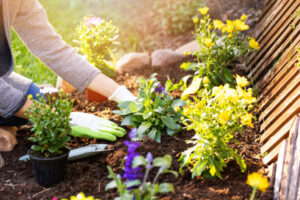
Gardening can be both rewarding and environmentally responsible. A low-waste eco garden not only reduces your environmental footprint but also encourages sustainable practices, conserves resources, and supports local biodiversity. With careful planning and simple techniques, anyone can create a garden that minimizes waste while producing beautiful plants, vegetables, and flowers. In this article, we’ll explore practical, actionable ways to establish a low-waste eco garden at home.
Start With Composting and Organic Waste Recycling
Composting is a cornerstone of low-waste gardening. By turning kitchen scraps and yard waste into nutrient-rich soil, you reduce landfill waste while nourishing your plants naturally.
Composting tips:
-
Collect vegetable peels, fruit scraps, coffee grounds, and eggshells.
-
Avoid adding meat, dairy, or oily foods, as they can attract pests.
-
Balance “greens” (nitrogen-rich materials) and “browns” (carbon-rich materials) for efficient decomposition.
-
Turn the pile regularly to aerate and prevent odor.
How this helps: Composting diverts waste from landfills, enriches soil naturally, reduces the need for chemical fertilizers, and improves water retention.
Repurpose Materials for Garden Use
Low-waste gardening emphasizes reusing items that would otherwise be discarded. Repurposing materials is economical, eco-friendly, and creative.
Ideas for repurposing:
-
Use old jars, buckets, or containers as planters.
-
Convert broken pottery, bricks, or tiles into raised beds or garden borders.
-
Reuse cardboard or newspaper as weed barriers under mulch.
How this helps: Repurposing reduces waste, saves money, and encourages creativity in garden design while minimizing reliance on new materials.
Reduce Plastic Use in the Garden
Plastic pots, seed trays, and packaging contribute significantly to garden waste. Reducing plastic use helps create a more sustainable garden.
Tips for minimizing plastic:
-
Choose biodegradable pots or seedling trays.
-
Reuse plastic containers for storage or as temporary planters.
-
Avoid purchasing plants with excessive plastic packaging.
How this helps: Reducing plastic use minimizes environmental pollution and supports an eco-friendly gardening approach.
Practice Water-Efficient Gardening
Water conservation is key to low-waste gardening. Wasting water not only strains natural resources but also contributes to unnecessary energy use for pumping and treatment.
Water-saving strategies:
-
Use drip irrigation or soaker hoses to deliver water directly to plant roots.
-
Collect rainwater using barrels or containers.
-
Water early in the morning or late in the evening to reduce evaporation.
-
Apply mulch to retain soil moisture.
How this helps: Conserving water reduces environmental impact, saves money, and ensures your plants receive moisture efficiently.
Grow Native and Low-Maintenance Plants
Native plants are naturally adapted to your local climate and soil conditions. They require less water, fertilizer, and maintenance, making them perfect for low-waste gardens.
Tips for choosing plants:
-
Select drought-tolerant or native plants suited to your region.
-
Mix flowers, herbs, and vegetables to promote biodiversity.
-
Avoid high-maintenance, chemical-dependent species.
How this helps: Native and low-maintenance plants reduce resource use, minimize chemical needs, and attract local pollinators.
Use Organic Fertilizers and Natural Pest Control
Low-waste gardening avoids chemical fertilizers and pesticides, focusing on natural solutions to nourish plants and manage pests.
Methods:
-
Apply compost, well-rotted manure, or seaweed extract as organic fertilizers.
-
Introduce beneficial insects like ladybugs and lacewings to control pests naturally.
-
Use homemade sprays made from neem oil, garlic, or soap for targeted pest control.
-
Employ physical barriers, like netting or row covers, to protect plants.
How this helps: Organic fertilizers and natural pest control maintain soil health, reduce pollution, and prevent harm to beneficial insects.
Mulch and Cover Soil
Mulching is a simple, low-waste practice that conserves water, suppresses weeds, and enriches soil.
Tips for mulching:
-
Use organic materials such as leaves, straw, grass clippings, or wood chips.
-
Apply a 2–4 inch layer around plants, avoiding direct contact with stems.
-
Replace mulch as it decomposes to maintain soil protection and fertility.
How this helps: Mulching reduces the need for chemical herbicides and irrigation while contributing to soil health and plant growth.
Plan Your Garden to Minimize Waste
Thoughtful garden design reduces resource waste and increases efficiency.
Planning tips:
-
Grow plants according to their sunlight and water needs to avoid overuse of resources.
-
Use vertical gardening or raised beds to maximize space and reduce soil and water waste.
-
Plan for seasonal planting to rotate crops and reduce soil depletion.
How this helps: Strategic garden planning optimizes resource use, prevents overproduction, and reduces unnecessary waste.
Encourage Biodiversity
A low-waste garden supports local wildlife and encourages ecological balance. Birds, pollinators, and beneficial insects reduce pests naturally and enrich the garden environment.
Ways to encourage biodiversity:
-
Plant a variety of flowers and shrubs that bloom at different times.
-
Avoid chemical pesticides that harm bees, butterflies, and other pollinators.
-
Provide water sources, nesting spots, and shelter for wildlife.
How this helps: Biodiversity reduces pest problems naturally, supports healthy ecosystems, and enhances garden productivity.
Maintain and Monitor Regularly
Regular maintenance ensures that waste is minimized and resources are used efficiently.
Maintenance tips:
-
Inspect plants weekly for signs of pests, disease, or nutrient deficiencies.
-
Harvest crops promptly to reduce food waste.
-
Prune and remove dead plant material to keep the garden tidy.
-
Adjust watering and fertilization based on plant needs and weather conditions.
How this helps: Consistent monitoring prevents unnecessary chemical or resource use and ensures the garden remains productive and sustainable.
Embrace DIY and Upcycling Projects
DIY and upcycling projects reduce waste while adding functionality and aesthetic appeal to your garden.
Ideas:
-
Make compost bins or rainwater collectors from repurposed materials.
-
Build raised beds using reclaimed wood.
-
Create garden markers, trellises, or planters using household items.
How this helps: DIY and upcycling reduce landfill waste, lower costs, and promote creativity in creating a low-waste garden.
Conclusion
Creating a low-waste eco garden is achievable with thoughtful planning, sustainable practices, and consistent care. By composting, repurposing materials, reducing plastic use, conserving water, selecting native and low-maintenance plants, using organic fertilizers and natural pest control, mulching, planning efficiently, encouraging biodiversity, maintaining the garden, and embracing DIY projects, you can minimize waste while enjoying a productive and beautiful garden. Low-waste gardening not only benefits your plants but also protects the environment, conserves resources, and creates a sustainable space for future generations. Small, consistent actions in your garden contribute to a larger positive impact on the planet.
FAQs
1. How can composting reduce garden waste?
Composting turns kitchen scraps and yard waste into nutrient-rich soil, reducing landfill contributions while improving garden soil naturally.
2. Are native plants essential for low-waste gardening?
While not essential, native plants require less water, fertilizer, and maintenance, making them ideal for eco-friendly, low-waste gardens.
3. Can homemade pest sprays replace chemical pesticides?
Yes. Homemade sprays like neem oil, garlic, or soap solutions can control common pests effectively without harming beneficial insects.
4. How often should I monitor my garden for low-waste practices?
Weekly inspections help catch problems early, optimize resource use, and prevent unnecessary waste.
5. Can repurposing materials in the garden save money?
Absolutely. Using containers, old tools, or broken items reduces the need to buy new products and contributes to a sustainable, low-waste garden.