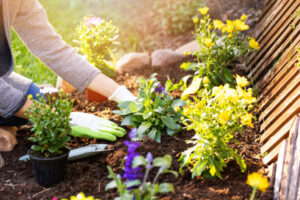
Sustainable gardening is all about growing plants in ways that conserve resources, protect local ecosystems, and create healthy outdoor spaces. One of the most effective strategies for achieving this is using native plants. Native plants are species that have naturally evolved in a specific region and are adapted to local climate, soil, and wildlife. Incorporating native plants into your garden provides numerous ecological, financial, and practical benefits, making your gardening practices more sustainable and enjoyable. This guide explores why using native plants supports sustainable gardening and offers practical tips for beginners.
Understanding Native Plants
Native plants are those that grow naturally in a particular area without human intervention. They have adapted to local weather conditions, seasonal changes, and soil types over thousands of years.
How this helps: Understanding native plants allows gardeners to select species that thrive naturally, reducing the need for extra care, water, or chemical treatments.
Tips for beginners:
-
Research your local climate zone and soil type.
-
Consult local extension services, botanical gardens, or native plant societies for recommendations.
-
Start small by planting a few native species and expanding over time.
Example: In a temperate region, planting native milkweed attracts butterflies and requires less maintenance than exotic flowers.
Common mistake: Assuming all “drought-tolerant” plants are native. Many non-native species may still need more water or care than true natives.
Reduce Water Usage Naturally
Native plants are adapted to local rainfall and require less supplemental watering compared to non-native species.
How this helps: Conserving water is a critical aspect of sustainable gardening, especially in regions prone to drought or water restrictions.
Tips for beginners:
-
Group plants with similar water requirements together.
-
Mulch soil to retain moisture around plant roots.
-
Plant during cooler months or rainy seasons to reduce watering needs.
Example: Using native ornamental grasses in a backyard reduces water consumption while providing aesthetic appeal.
Common mistake: Overwatering native plants can harm them and waste water. Observe natural growth patterns for guidance.
Reduce Dependence on Chemicals
Native plants are naturally resistant to many local pests and diseases, which reduces the need for pesticides and fertilizers.
How this helps: Minimizing chemical use protects beneficial insects, soil health, and local waterways while creating a safer garden environment.
Tips for beginners:
-
Observe plants for natural resilience before applying chemicals.
-
Introduce companion plants to enhance pest resistance.
-
Use organic fertilizers or compost to support soil nutrients.
Example: Planting native coneflowers in a garden requires little to no pesticide while attracting pollinators.
Common mistake: Applying chemicals as a first response instead of assessing plant needs can harm native species.
Support Local Wildlife
Native plants provide essential food, shelter, and nesting opportunities for birds, insects, and other local wildlife.
How this helps: Supporting local biodiversity creates a balanced ecosystem, promotes pollination, and encourages natural pest control.
Tips for beginners:
-
Plant a variety of flowering plants for nectar and seeds.
-
Include shrubs or trees that provide shelter and nesting sites.
-
Avoid invasive plants that can displace native species.
Example: A native berry bush attracts birds and small mammals while reducing pest insects naturally.
Common mistake: Planting exotic species exclusively may attract fewer pollinators and disrupt local wildlife.
Enhance Soil Health Naturally
Native plants contribute to soil health by promoting beneficial microbial activity and maintaining nutrient balance. Their roots often support soil structure and prevent erosion.
How this helps: Healthy soil reduces the need for chemical fertilizers, improves water retention, and supports strong plant growth.
Tips for beginners:
-
Mix native plants with compost or organic mulch to boost soil fertility.
-
Avoid over-tilling, which can damage soil structure.
-
Rotate plants annually or seasonally to maintain nutrient levels.
Example: Native prairie grasses with deep roots improve soil aeration and prevent erosion in sloped areas.
Common mistake: Neglecting soil preparation can hinder the growth of native plants despite their adaptability.
Lower Maintenance Requirements
Because native plants are well-suited to their environment, they require less maintenance than non-native species. This includes reduced watering, pruning, and fertilization.
How this helps: Less maintenance saves time, effort, and resources, making gardening accessible and sustainable for beginners.
Tips for beginners:
-
Group similar plants to simplify watering schedules.
-
Start with hardy species to gain confidence before adding more delicate plants.
-
Observe growth patterns and seasonal cycles to anticipate care needs.
Example: A garden of native asters and sedges thrives with minimal attention, reducing weekly maintenance tasks.
Common mistake: Over-pruning or over-fertilizing can stress native plants that naturally thrive without heavy intervention.
Combat Invasive Species
Planting native species helps prevent the spread of invasive plants that can disrupt local ecosystems and outcompete native flora.
How this helps: Protects biodiversity, maintains soil health, and ensures that your garden contributes positively to the environment.
Tips for beginners:
-
Avoid purchasing plants labeled as “exotic” or “non-native.”
-
Educate yourself about invasive species in your area.
-
Remove invasive plants from your garden to make space for native species.
Example: Replacing invasive ivy with native groundcovers provides habitat for pollinators and reduces chemical control needs.
Common mistake: Introducing attractive but invasive ornamental plants can inadvertently damage the local ecosystem.
Encourage Pollination and Natural Pest Control
Native plants attract local pollinators like bees, butterflies, and hummingbirds, which are essential for fruiting and flowering plants. They also support predators like ladybugs and birds that naturally control pests.
How this helps: Reduces the need for artificial pollination and pesticides while supporting ecological balance.
Tips for beginners:
-
Plant a range of flowering times to provide continuous nectar sources.
-
Include flowering perennials to sustain pollinators throughout the growing season.
-
Avoid chemical sprays that harm pollinators.
Example: Planting native sunflowers and wildflowers near vegetable beds attracts bees, improving tomato and cucumber yields naturally.
Common mistake: Using pesticides or planting only ornamental flowers can limit pollination opportunities.
Cost-Effective Gardening
Native plants often cost less over time because they require fewer inputs like water, fertilizer, and pesticides. While initial planting may be comparable to non-natives, long-term maintenance savings are significant.
How this helps: Sustainable gardening becomes more affordable, making eco-friendly practices accessible for beginners.
Tips for beginners:
-
Source plants from local nurseries or native plant sales.
-
Propagate native plants through seeds or cuttings to expand your garden cost-effectively.
-
Combine small native shrubs with container plants for a low-budget, high-impact garden.
Example: A backyard planted with native perennials and shrubs reduces annual fertilizer costs and water bills.
Common mistake: Choosing flashy non-native plants may require ongoing expense and maintenance to keep them thriving.
Create a Resilient Garden
Native plants are adapted to local weather patterns, making gardens more resilient to drought, extreme temperatures, and storms.
How this helps: Resilient gardens survive climate fluctuations without heavy human intervention, reducing resource use and stress on the gardener.
Tips for beginners:
-
Select drought-tolerant native species for water-scarce areas.
-
Mix plants with different root depths to improve overall garden resilience.
-
Include a mix of annuals and perennials for year-round coverage.
Example: A garden of native drought-resistant plants thrives through summer heatwaves with minimal watering.
Common mistake: Relying on high-maintenance exotic plants makes gardens vulnerable to environmental stress.
Conclusion
Using native plants is one of the most effective strategies for supporting sustainable gardening. Native species conserve water, reduce chemical use, support local wildlife, improve soil health, and lower long-term maintenance costs. They create resilient, eco-friendly gardens that thrive naturally and contribute positively to the environment. For beginners, starting with a selection of native plants suited to your climate, soil, and garden space ensures long-term success while promoting ecological balance. By prioritizing native species, gardeners can enjoy beautiful, productive, and sustainable outdoor spaces for years to come.
FAQs
1. What defines a native plant?
Native plants are species that naturally occur in a specific region, having evolved over time to thrive in local climate, soil, and ecosystem conditions.
2. Can native plants survive in small gardens or containers?
Yes. Many native plants are adaptable to container gardening or small spaces, making them suitable for urban or backyard gardens.
3. How do native plants reduce chemical use?
They are naturally resistant to local pests and diseases, reducing the need for pesticides and fertilizers.
4. Do native plants attract wildlife?
Yes. Native plants provide food, shelter, and breeding grounds for pollinators, birds, and beneficial insects.
5. Are native plants expensive?
While initial costs may vary, native plants save money over time due to lower water, fertilizer, and maintenance requirements.