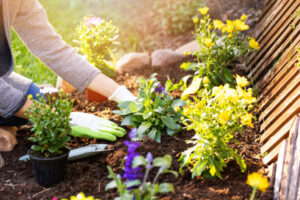
Gardening isn’t just about creating a beautiful space—it’s also an opportunity to make a positive impact on the environment. Eco-friendly gardening focuses on sustainability, reducing chemical use, conserving water, and supporting local biodiversity. By adopting natural methods and green practices, you can grow a thriving garden that benefits both you and the planet. This guide explores practical, budget-friendly ways to garden sustainably while keeping your yard vibrant and healthy.
Why Eco-Friendly Gardening Matters
Traditional gardening methods often rely heavily on chemical fertilizers, pesticides, and excessive water use, which can harm soil health, pollute water sources, and disrupt local ecosystems. Eco-friendly gardening, on the other hand, emphasizes:
-
Soil Health: Healthy soil supports strong plant growth and reduces the need for chemical inputs.
-
Biodiversity: Encouraging native plants, birds, and beneficial insects helps maintain ecological balance.
-
Water Conservation: Sustainable practices reduce water waste and help gardens survive dry periods.
-
Reduced Carbon Footprint: Composting, natural fertilizers, and local sourcing minimize environmental impact.
Switching to eco-friendly methods isn’t just good for the planet—it also produces healthier, more resilient plants and a more beautiful garden.
H2: Use Organic Fertilizers and Compost
Chemical fertilizers may boost growth temporarily, but they can harm soil microbes and lead to long-term nutrient depletion. Organic alternatives are healthier for your garden and environment.
Eco-Friendly Fertilizer Options:
-
Compost: Made from kitchen scraps, yard waste, and coffee grounds, compost enriches soil naturally.
-
Manure: Well-aged animal manure adds nutrients and improves soil structure.
-
Seaweed or Fish Emulsion: These provide trace minerals and promote robust plant growth.
Tips for Composting:
-
Create a compost bin or pile in a shaded area.
-
Include a mix of “greens” (vegetable scraps, coffee grounds) and “browns” (leaves, shredded paper).
-
Turn compost every 1–2 weeks to speed decomposition.
By recycling organic waste into compost, you reduce landfill contributions and create nutrient-rich soil for your garden.
H2: Choose Native and Drought-Tolerant Plants
Native plants are adapted to your local climate, soil, and pests, making them easier to maintain and less resource-intensive. Drought-tolerant varieties conserve water and thrive even in hot, dry conditions.
Benefits:
-
Require minimal watering and maintenance.
-
Provide habitat and food for local wildlife.
-
Reduce the need for chemical fertilizers and pesticides.
Examples: Depending on your region, consider:
-
North America: Purple coneflower, black-eyed Susan, switchgrass
-
Europe: Lavender, heather, foxglove
-
Asia: Bamboo, marigold, hibiscus
Planting native species ensures your garden is resilient and eco-friendly while supporting local biodiversity.
H2: Implement Water-Saving Techniques
Water scarcity is a growing concern, making efficient irrigation essential for sustainable gardening.
Eco-Friendly Watering Solutions:
-
Drip Irrigation: Delivers water directly to plant roots, minimizing evaporation.
-
Rain Barrels: Collect rainwater to use for watering plants during dry periods.
-
Mulching: A thick layer of organic mulch retains soil moisture and suppresses weeds.
Tips:
-
Water early in the morning or late in the evening to reduce evaporation.
-
Group plants with similar water needs together.
-
Consider greywater systems (from sinks or showers) for watering ornamental plants.
Water-efficient gardening reduces bills, conserves resources, and keeps plants healthy.
H2: Encourage Beneficial Insects and Pollinators
A healthy garden relies on natural predators and pollinators rather than chemical sprays. Beneficial insects can control pests and improve crop yields.
Ways to Attract Helpful Insects:
-
Plant flowers like marigolds, sunflowers, and lavender to attract bees, butterflies, and ladybugs.
-
Avoid pesticides that harm insects.
-
Provide shelter with small piles of leaves or dedicated insect hotels.
By fostering a balanced ecosystem, you reduce reliance on harmful chemicals while promoting pollination and natural pest control.
H2: Practice Natural Pest Control
Chemical pesticides can disrupt ecosystems and harm humans, pets, and beneficial insects. Eco-friendly gardens use natural pest management methods.
Safe Pest Control Ideas:
-
Companion Planting: Plants like basil and marigold repel pests naturally.
-
Neem Oil or Garlic Spray: Effective against common insects without harming soil.
-
Physical Barriers: Row covers, nets, or sticky traps protect plants from pests.
Maintaining plant diversity and monitoring pest activity regularly reduces infestations and keeps your garden chemical-free.
H2: Reduce Waste with Upcycling and Recycling
Sustainable gardening also involves reusing materials creatively instead of buying new items.
Eco-Friendly Ideas:
-
Use old tires, buckets, or jars as planters.
-
Reclaim wood or pallets for raised beds or garden furniture.
-
Collect kitchen scraps for compost or homemade liquid fertilizer.
Upcycling reduces waste, saves money, and adds unique charm to your garden.
FAQ Section
Q1: Can I have an eco-friendly garden in a small space?
A1: Absolutely! Use vertical gardening, container planting, and compact compost bins to grow sustainably in limited areas.
Q2: How often should I water my eco-friendly garden?
A2: Watering depends on plant types and climate. Generally, early morning watering 2–3 times a week is sufficient for most plants. Mulching helps retain moisture.
Q3: Is organic fertilizer as effective as chemical fertilizers?
A3: Yes. Organic fertilizers enrich soil naturally, support long-term plant health, and improve soil structure, unlike synthetic options that can deplete nutrients over time.
Q4: How can I attract pollinators year-round?
A4: Plant a variety of flowers with staggered bloom times and include evergreens or shrubs to provide shelter during colder months.
Q5: Can I compost if I live in an apartment?
A5: Yes. Consider indoor composting methods like vermicomposting with worms or small compost bins on balconies.
Conclusion
Eco-friendly gardening combines creativity, resourcefulness, and sustainability. By using organic fertilizers, native plants, water-saving techniques, and natural pest control, you can create a beautiful garden that thrives while protecting the environment. Upcycling materials and encouraging beneficial insects further enhance your garden’s sustainability. Whether you have a sprawling backyard or a small balcony, these eco-friendly gardening solutions allow you to enjoy a lush, healthy, and environmentally conscious outdoor space. Start small, stay consistent, and your sustainable garden will flourish into a natural haven for both you and local wildlife.