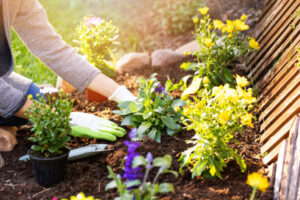
Gardening is one of the most rewarding hobbies—but it can also have an environmental impact if not done thoughtfully. I used to rely on chemical fertilizers and excessive watering without realizing how it affected soil health and the ecosystem. Once I switched to eco-friendly gardening practices, not only did my plants thrive, but my garden became easier to maintain and more sustainable.
This guide will walk you through practical eco gardening solutions to help you grow a beautiful, productive garden while protecting the environment.
What Is Eco Gardening?
Eco gardening (or sustainable gardening) focuses on growing plants in ways that:
- Protect the environment
- Conserve natural resources
- Improve soil health
- Support biodiversity
Key idea:
Work with nature, not against it.
Why Eco Gardening Matters
Switching to eco-friendly gardening offers many benefits:
- Reduces chemical pollution
- Saves water and energy
- Improves soil fertility naturally
- Supports pollinators like bees and butterflies
- Produces healthier, chemical-free food
Personal insight:
After switching to compost and natural pest control, I noticed stronger plants and fewer pest problems over time.
1. Start with Healthy Soil
Soil is the foundation of every successful garden.
How to improve soil naturally:
- Add compost regularly
- Use organic matter like leaves and grass clippings
- Avoid chemical fertilizers that damage soil life
Tip:
Healthy soil holds moisture better and reduces the need for frequent watering.
2. Composting: Turn Waste into Gold
Composting is one of the easiest eco gardening practices.
What you can compost:
- Vegetable peels
- Fruit scraps
- Coffee grounds
- Dry leaves
Benefits:
- Reduces kitchen waste
- Enriches soil naturally
- Improves plant growth
Pro tip:
Maintain a balance of “green” (wet) and “brown” (dry) materials for effective composting.
3. Save Water with Smart Irrigation
Water conservation is essential in eco gardening.
Water-saving techniques:
- Water early morning or evening
- Use drip irrigation systems
- Collect rainwater
- Mulch soil to retain moisture
Insight:
I reduced water usage by nearly 40% just by watering at the right time and using mulch.
4. Use Natural Fertilizers
Chemical fertilizers can harm soil and water systems.
Eco-friendly alternatives:
- Compost
- Manure
- Bone meal
- Liquid plant feeds (like compost tea)
Tip:
Natural fertilizers release nutrients slowly, improving long-term soil health.
5. Practice Companion Planting
Certain plants grow better together.
Examples:
- Tomatoes + basil (improves flavor and repels pests)
- Carrots + onions (protect each other from insects)
Benefit:
Reduces need for chemical pesticides.
6. Control Pests Naturally
Avoid harmful pesticides that damage the environment.
Natural pest control methods:
- Neem oil sprays
- Garlic or chili sprays
- Introduce beneficial insects (ladybugs)
- Remove pests manually
Personal insight:
Using neem oil regularly helped me control pests without harming my plants or soil.
7. Choose Native and Drought-Resistant Plants
Native plants are adapted to local conditions.
Benefits:
- Require less water
- Resist local pests
- Need less maintenance
Tip:
Research plants that thrive in your region for best results.
8. Reduce Plastic Use in Gardening
Plastic waste is a major environmental issue.
Alternatives:
- Clay or biodegradable pots
- Reusable containers
- Natural twine instead of plastic ties
9. Grow Your Own Food
Home-grown food is healthier and eco-friendly.
Easy crops to start:
- Herbs (mint, basil, coriander)
- Tomatoes
- Spinach
- Peppers
Insight:
Growing your own vegetables reduces reliance on store-bought produce and cuts down packaging waste.
10. Use Mulching to Protect Soil
Mulch is a layer of material placed on soil.
Benefits:
- Retains moisture
- Reduces weeds
- Improves soil fertility
Types:
- Straw
- Leaves
- Wood chips
11. Encourage Biodiversity
A healthy garden supports many forms of life.
How to do it:
- Plant flowers for pollinators
- Avoid chemical sprays
- Create small habitats (bird feeders, water bowls)
Tip:
A diverse garden is naturally more resilient to pests and diseases.
12. Rotate Crops
Growing the same plants repeatedly can deplete soil nutrients.
Crop rotation helps:
- Maintain soil fertility
- Reduce pests and diseases
13. Use Energy-Efficient Gardening Tools
Reduce energy use in your garden.
Tips:
- Use manual tools when possible
- Choose energy-efficient equipment
- Limit use of electric tools
14. Reuse and Recycle Materials
Eco gardening promotes sustainability.
Ideas:
- Use old containers as pots
- Reuse water from washing vegetables
- Repurpose household items for gardening
15. Start Small and Scale Gradually
You don’t need a large garden to go eco-friendly.
Begin with:
- A small balcony garden
- A few pots
- Simple composting
Insight:
Small changes lead to big long-term impact.
Common Eco Gardening Mistakes to Avoid
- Overwatering plants
- Using too many chemical fertilizers
- Ignoring soil health
- Planting unsuitable crops
- Neglecting maintenance
Sample Weekly Eco Gardening Routine
| Day | Task |
|---|---|
| Monday | Water plants (early morning) |
| Tuesday | Check for pests |
| Wednesday | Add compost or fertilizer |
| Thursday | Prune and trim plants |
| Friday | Monitor plant growth |
| Saturday | Deep watering or maintenance |
| Sunday | Relax and enjoy your garden 🌱 |
Benefits of Eco Gardening
- Healthier plants and soil
- Lower gardening costs
- Reduced environmental impact
- Safer food for your family
- More enjoyable gardening experience
Final Thoughts
Eco gardening is not about perfection—it’s about making better choices step by step. By adopting sustainable practices, you can create a garden that is not only beautiful but also environmentally responsible.
Key takeaways:
- Focus on soil health and natural fertilizers
- Save water and reduce waste
- Use eco-friendly pest control
- Grow plants suited to your environment
- Start small and stay consistent
From my experience, once you shift to eco-friendly methods, gardening becomes simpler, more rewarding, and far more sustainable.