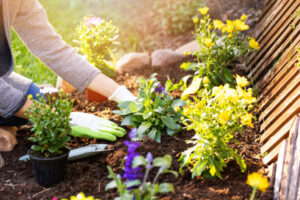
Gardening is a rewarding way to connect with nature, grow fresh produce, and beautify your home. However, traditional gardening practices can harm the environment through overuse of chemicals, excessive water consumption, and unsustainable landscaping choices. Eco gardening solutions focus on creating a sustainable, environmentally friendly garden that benefits both your plants and the planet.
This guide covers practical and effective eco gardening strategies to help you grow a healthy, productive, and sustainable garden.
What Is Eco Gardening?
Eco gardening emphasizes sustainability, resource conservation, and biodiversity. It involves practices that reduce environmental impact while promoting plant health and productivity.
Key Principles of Eco Gardening:
-
Minimize chemical use
-
Conserve water
-
Promote biodiversity
-
Reduce waste and recycle materials
-
Choose sustainable gardening tools and practices
By integrating these principles, your garden becomes a thriving ecosystem that supports both plants and wildlife.
Soil Health: The Foundation of Sustainable Gardening
Healthy soil is the cornerstone of eco-friendly gardening.
Tips to Improve Soil Naturally:
-
Composting: Recycle kitchen scraps and garden waste into nutrient-rich compost
-
Mulching: Retains moisture, reduces weeds, and improves soil structure
-
Organic Fertilizers: Use compost tea, bone meal, or fish emulsion instead of synthetic fertilizers
-
Crop Rotation: Helps maintain soil fertility and reduces pest buildup
Maintaining rich, fertile soil ensures strong plant growth without relying on harmful chemicals.
Water Conservation Techniques
Water is a precious resource, and eco gardening emphasizes efficient irrigation.
Water-Saving Strategies:
-
Drip Irrigation: Delivers water directly to plant roots, reducing waste
-
Rainwater Harvesting: Collect and store rainwater for garden use
-
Mulching: Conserves moisture and prevents evaporation
-
Drought-Tolerant Plants: Choose native species that require less water
Using these techniques reduces your water footprint while keeping plants healthy.
Choosing Plants for Sustainability
Selecting the right plants is crucial for an eco-friendly garden.
Plant Selection Tips:
-
Native Plants: Adapted to local conditions, needing less water and care
-
Perennials: Reduce the need for yearly planting and soil disruption
-
Companion Planting: Helps prevent pests naturally
-
Pollinator-Friendly Plants: Support bees, butterflies, and other beneficial insects
Smart plant selection creates a low-maintenance, eco-friendly garden.
Natural Pest Control
Eco gardening avoids harmful chemicals and relies on natural pest management strategies.
Effective Methods:
-
Beneficial Insects: Ladybugs, lacewings, and predatory beetles help control pests
-
Neem Oil or Soap Sprays: Safe for plants and effective against common pests
-
Companion Plants: Repel pests naturally (e.g., marigolds, basil, garlic)
-
Physical Barriers: Use nets, row covers, or traps to protect plants
These approaches protect both plants and the surrounding ecosystem.
Sustainable Gardening Materials
Using eco-friendly materials reduces waste and supports environmental conservation.
Recommended Materials:
-
Recycled Containers: Old crates, jars, or buckets for planters
-
Bamboo or Wooden Tools: Renewable and biodegradable
-
Organic Mulch: Leaves, straw, or wood chips
-
Rain Barrels and Drip Systems: Reduce water usage and recycle natural resources
Choosing sustainable tools and materials reduces your garden’s environmental impact.
Eco Gardening Projects You Can Try
Practical projects help implement eco-friendly practices in your garden.
DIY Projects for a Greener Garden:
-
Compost Bin: Convert kitchen and garden waste into nutrient-rich soil
-
Vertical Gardens: Save space and reuse materials for planting
-
Rainwater Collection System: Harvest water for irrigation
-
Pollinator Garden: Grow flowers and plants that attract bees and butterflies
Small projects can make a significant difference over time.
Maintenance for a Sustainable Garden
Proper care ensures your eco garden thrives while minimizing environmental impact.
Maintenance Tips:
-
Water efficiently and consistently
-
Prune and remove dead plant material
-
Monitor for pests and disease naturally
-
Rotate crops and maintain soil fertility
-
Reuse or recycle garden debris
Consistent maintenance strengthens plant health and promotes sustainability.
Frequently Asked Questions (FAQs)
1. Can eco gardening be done in small spaces?
Yes. Container gardens, vertical gardens, and balcony planters are perfect for eco-friendly gardening in small areas.
2. Is composting difficult?
Not at all. With a simple bin and regular additions of food and garden waste, composting is easy and highly rewarding.
3. How much water can I save with eco gardening?
Techniques like drip irrigation, mulching, and planting drought-tolerant species can reduce water usage by 30–50%.
4. Do I need chemical fertilizers for a healthy garden?
No. Organic fertilizers and compost provide all the necessary nutrients for strong, healthy plants.
5. Can eco gardening attract beneficial wildlife?
Yes. Native plants, pollinator-friendly flowers, and water sources attract bees, butterflies, birds, and helpful insects.
Conclusion: Grow a Sustainable Garden
Eco gardening is more than a method—it’s a lifestyle that protects the environment while creating a thriving, beautiful garden. By focusing on soil health, water conservation, natural pest control, and sustainable materials, you can enjoy a productive and eco-friendly garden year-round.
Implement these solutions step by step, and you’ll cultivate a garden that’s not only visually appealing but also supports biodiversity, conserves resources, and contributes positively to the planet.