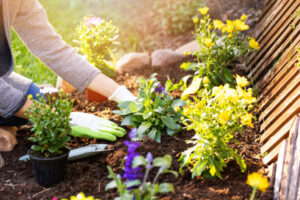
Gardening is more than just planting flowers or vegetables—it’s an opportunity to nurture the environment while enjoying fresh produce and beautiful outdoor spaces. When I first started gardening, I focused mainly on aesthetics and harvests, but over time I realized that traditional gardening methods can harm the environment through excess water use, chemical fertilizers, and wasteful practices.
Eco gardening offers practical solutions to create a sustainable, productive, and environmentally friendly garden. It emphasizes conserving resources, reducing chemical use, and supporting local ecosystems. This guide provides hands-on strategies that I’ve personally used to make my garden greener, healthier, and more resilient.
By applying these eco gardening solutions, you’ll not only improve your garden’s productivity but also contribute positively to the planet.
Why Eco Gardening Matters
Adopting eco-friendly gardening practices is beneficial for both your garden and the environment.
-
Conserves resources: Reduces water, energy, and chemical use
-
Supports biodiversity: Encourages beneficial insects, birds, and soil microorganisms
-
Reduces pollution: Minimizes chemical runoff into soil and water
-
Sustainable harvests: Healthier soil leads to healthier plants and produce
-
Cost-effective: Natural methods often save money on fertilizers, pesticides, and water
Even small changes can make a significant difference over time, creating a sustainable cycle for your garden.
Sustainable Soil Management
Healthy soil is the foundation of eco gardening.
1. Composting
Composting transforms kitchen scraps and garden waste into nutrient-rich soil.
How to start:
-
Collect fruit and vegetable peels, eggshells, leaves, and grass clippings
-
Avoid meat, dairy, and oily foods to prevent pests
-
Turn the compost regularly to speed up decomposition
-
Use finished compost to enrich garden beds
Tip: I keep a small compost bin near the kitchen for easy access—it reduces waste and provides free fertilizer.
2. Mulching
Mulching conserves moisture, suppresses weeds, and improves soil quality.
Materials: Straw, leaves, wood chips, or shredded bark
How to apply:
-
Spread a 2–4 inch layer around plants
-
Replenish as needed
-
Avoid piling directly against plant stems to prevent rot
3. Organic Fertilizers
Replace chemical fertilizers with natural alternatives:
-
Bone meal for phosphorus
-
Compost or worm castings for overall nutrition
-
Seaweed extract for trace minerals
Organic fertilizers improve soil health and reduce environmental impact.
Water Conservation Techniques
Water is a precious resource, and eco gardening focuses on using it efficiently.
1. Drip Irrigation
Drip systems deliver water directly to plant roots, reducing waste.
Benefits:
-
Minimizes evaporation
-
Prevents water runoff
-
Encourages deep root growth
2. Rainwater Harvesting
Collect rainwater in barrels or containers for garden use.
Tip: Install a simple gutter system to divert rainwater from your roof into storage barrels. This provides a free, chemical-free water source.
3. Mulching and Ground Cover
Mulches and ground covers help retain soil moisture, reducing the need for frequent watering.
Experience: I noticed my raised beds required 30% less water after applying organic mulch around plants during summer months.
Natural Pest Management
Avoiding chemical pesticides protects beneficial insects and the ecosystem.
1. Companion Planting
Plant species that repel pests naturally near vulnerable plants:
-
Marigolds deter nematodes and aphids
-
Basil repels mosquitoes and flies
-
Garlic and onions protect other vegetables
2. Beneficial Insects
Encourage insects that control pests:
-
Ladybugs eat aphids
-
Praying mantises target harmful insects
-
Bees support pollination
Plant flowers that attract these helpful insects to maintain balance.
3. Homemade Remedies
Simple DIY sprays can deter pests without chemicals:
-
Neem oil solution for general pests
-
Soap and water spray for aphids
-
Chili or garlic sprays for caterpillars
Tip: Always test sprays on a small area first to avoid damaging plants.
Eco-Friendly Garden Design
Sustainable gardens are designed with nature and efficiency in mind.
1. Native Plants
Native plants require less water, fertilizer, and care because they are adapted to the local environment.
-
Attract local pollinators
-
Improve soil stability
-
Require minimal maintenance
2. Perennial Plants
Perennials come back year after year, reducing the need for replanting and soil disturbance.
3. Crop Rotation
Rotating crops in vegetable gardens prevents soil depletion and reduces pest build-up.
4. Vertical Gardening
Grow upwards to save space and maximize sunlight exposure. Vertical gardens also reduce soil erosion and conserve water.
Waste Reduction and Recycling
Eco gardening emphasizes reusing and repurposing materials.
-
Use old containers, crates, and pallets as planters
-
Collect fallen leaves and grass clippings for mulch or compost
-
Repurpose rainwater and greywater for irrigation
Experience: I transformed old plastic bottles into vertical herb planters, saving money and reducing plastic waste.
Seasonal Eco Gardening Tips
Spring
-
Start composting and enrich soil beds
-
Plant native and perennial species
-
Mulch beds before planting
Summer
-
Use drip irrigation or rainwater for watering
-
Apply mulch to conserve soil moisture
-
Encourage beneficial insects for pest control
Fall
-
Collect fallen leaves for compost
-
Rotate crops in vegetable beds
-
Plant cover crops to improve soil fertility
Winter
-
Plan next season’s sustainable garden layout
-
Repair garden structures using recycled materials
-
Start indoor seed trays using organic soil
Real-Life Example: My Eco Garden Transformation
When I switched to eco gardening, I began by replacing chemical fertilizers with compost and organic amendments. I installed a rainwater barrel and mulched all beds. I planted native flowers to attract pollinators and used companion planting to manage pests.
Within one season:
-
Soil health improved noticeably
-
Water use decreased by 40%
-
Beneficial insects thrived, reducing pest issues
-
My garden was more resilient and low-maintenance
This experience proved that eco-friendly practices not only help the environment but also make gardening easier and more rewarding.
Final Thoughts
Eco gardening combines sustainability, creativity, and practicality to create beautiful, productive, and environmentally responsible gardens.
Key takeaways:
-
Focus on soil health with compost, mulch, and organic fertilizers
-
Conserve water through drip irrigation, rainwater harvesting, and mulching
-
Manage pests naturally using companion planting and beneficial insects
-
Choose native and perennial plants to reduce maintenance
-
Reuse and recycle materials to minimize waste
By adopting these eco gardening solutions, you’ll cultivate a garden that’s good for both your plants and the planet.