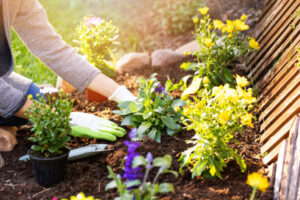
Gardening is a rewarding hobby that connects you with nature, beautifies your surroundings, and even provides fresh fruits, vegetables, and herbs. But traditional gardening methods can sometimes harm the environment—through excessive water use, chemical fertilizers, or non-sustainable practices. Eco gardening is all about creating a sustainable, environmentally friendly garden that benefits both your plants and the planet.
This guide covers practical, realistic, and easy-to-implement eco gardening solutions for homeowners and gardening enthusiasts, helping you build a green, productive, and low-impact garden.
What Is Eco Gardening?
Eco gardening is a method of gardening that emphasizes sustainability, resource conservation, and environmental stewardship. It focuses on:
-
Reducing chemical use
-
Conserving water
-
Promoting biodiversity
-
Using renewable or recycled materials
-
Minimizing waste
Adopting eco-friendly practices ensures your garden thrives while also protecting the ecosystem.
Why Eco Gardening Matters
Gardening sustainably benefits both you and the environment.
Key Benefits:
-
Healthier Plants: Natural soil enrichment improves plant growth
-
Water Conservation: Efficient techniques save water and reduce waste
-
Pollinator Support: Native plants attract bees, butterflies, and birds
-
Reduced Pollution: Minimizing chemicals prevents soil and water contamination
-
Cost Savings: Reusing materials and composting reduces expenses
By gardening with the environment in mind, you create a resilient and productive outdoor space.
Start With Soil Health
Healthy soil is the foundation of eco gardening.
Eco-Friendly Soil Tips:
-
Composting: Recycle kitchen scraps, garden waste, and leaves into nutrient-rich compost
-
Mulching: Use straw, leaves, or wood chips to retain moisture and prevent weeds
-
Natural Fertilizers: Use organic fertilizers like bone meal, fish emulsion, or compost tea
-
Avoid Chemicals: Skip synthetic pesticides and herbicides
Healthy soil supports strong plants and reduces dependence on harmful chemicals.
Water Conservation Techniques
Water is a precious resource, and eco gardening focuses on efficient use.
Eco-Friendly Water Tips:
-
Drip Irrigation: Delivers water directly to plant roots
-
Rainwater Harvesting: Collect rainwater in barrels or tanks for irrigation
-
Mulching: Reduces evaporation and keeps soil moist longer
-
Choose Drought-Resistant Plants: Native plants often require less water
Efficient water use saves money, energy, and natural resources.
Plant Selection for Sustainability
Choosing the right plants is critical in eco gardening.
Tips for Selecting Plants:
-
Native Plants: Adapted to your region, requiring less water and maintenance
-
Pollinator-Friendly Plants: Flowers that attract bees, butterflies, and birds
-
Companion Planting: Grow compatible plants together to improve growth and deter pests
-
Perennials: Reduce the need for yearly replanting
Smart plant choices create a balanced and self-sustaining garden ecosystem.
Organic Pest Control Solutions
Instead of chemical pesticides, eco gardening uses natural methods to manage pests.
Safe Pest Control Methods:
-
Introduce Beneficial Insects: Ladybugs, lacewings, and predatory beetles control harmful insects
-
Neem Oil Sprays: Effective natural pesticide for leaves and stems
-
Companion Plants: Marigolds, basil, or garlic repel certain pests naturally
-
Manual Removal: Handpick insects or damaged leaves to prevent infestations
Natural pest control protects pollinators and keeps your garden healthy.
Sustainable Gardening Materials
Eco gardening also focuses on the tools and materials used in your garden.
Eco-Friendly Material Ideas:
-
Recycled or Repurposed Containers: Old crates, jars, and pots
-
Bamboo or Wooden Tools: Renewable and biodegradable
-
Mulch and Compost: Reduce waste by using garden and kitchen scraps
-
Rain Barrels and Drip Systems: Reduce water consumption
Using sustainable materials minimizes environmental impact and saves money.
Eco Gardening Projects You Can Try
Practical projects make your garden greener and more productive.
DIY Eco Gardening Ideas:
-
Compost Bin: Turn kitchen and yard waste into nutrient-rich soil
-
Vertical Garden: Maximize space using recycled containers
-
Rainwater Irrigation System: Collect rainwater for garden use
-
Pollinator Garden: Plant flowers and shrubs that attract beneficial insects
Small eco-friendly projects have a big impact over time.
Maintenance for a Sustainable Garden
Keeping your garden healthy with eco-friendly practices requires consistency.
Key Maintenance Tips:
-
Water early in the morning or late evening to reduce evaporation
-
Rotate crops to maintain soil fertility
-
Regularly prune and mulch to encourage growth
-
Monitor for pests and diseases and address naturally
-
Reuse or recycle plant debris
Ongoing attention ensures your garden remains productive and sustainable.
Frequently Asked Questions (FAQs)
1. Can eco gardening be done in small spaces?
Absolutely. Container gardening, vertical gardens, and balcony planters make eco gardening accessible anywhere.
2. Is composting difficult?
No. With a simple bin and regular additions of food and garden waste, composting is easy and highly rewarding.
3. How much water can I save with eco gardening?
Using mulch, drip irrigation, and native plants can reduce water use by 30–50% compared to traditional watering methods.
4. Do I need chemical fertilizers for a healthy garden?
No. Organic fertilizers and compost provide essential nutrients while supporting soil health.
5. Can eco gardening attract beneficial wildlife?
Yes. Native plants, pollinator-friendly flowers, and water sources attract bees, butterflies, birds, and helpful insects.
Conclusion: Grow a Greener Garden
Eco gardening is not just a trend—it’s a lifestyle that benefits you, your garden, and the environment. By focusing on soil health, water conservation, sustainable materials, and organic pest control, you can create a vibrant, productive, and eco-friendly garden.
Start small, implement practical solutions, and expand gradually. Your garden can become a model of sustainability, offering fresh produce, beautiful flowers, and a thriving ecosystem for years to come.