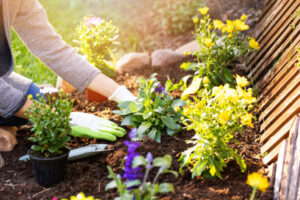
Gardening is more than just a hobby—it’s a powerful way to connect with nature, grow your own food, and create a healthier living environment. But traditional gardening methods often rely on chemical fertilizers, excessive water use, and practices that can harm the environment over time.
That’s where eco gardening solutions come in. By adopting sustainable techniques, you can grow a thriving garden while protecting the planet, saving money, and improving your family’s well-being.
In this detailed guide, I’ll walk you through practical, beginner-friendly eco gardening strategies based on real-life experience and proven methods. Whether you have a backyard, rooftop, or just a few pots on a balcony, you can start today.
What Is Eco Gardening?
Eco gardening (or sustainable gardening) focuses on working with nature rather than against it. It involves:
- Reducing chemical use
- Conserving water
- Improving soil health naturally
- Supporting biodiversity
- Minimizing waste
The goal is simple: grow healthy plants in a way that benefits both you and the environment.
Why Choose Eco-Friendly Gardening?
Before diving into the “how,” let’s understand the “why.”
Key Benefits:
- 🌱 Healthier fruits and vegetables
- 💧 Lower water consumption
- 🌍 Reduced environmental impact
- 💰 Cost savings over time
- 🐝 Support for pollinators like bees and butterflies
From personal experience, switching to eco gardening doesn’t just improve plant growth—it creates a more peaceful and natural outdoor space.
1. Start with Healthy Soil
Everything in your garden begins with soil. Healthy soil means healthier plants.
How to Improve Soil Naturally
Add Compost
Compost is one of the best natural fertilizers.
- Use kitchen scraps (vegetable peels, fruit waste)
- Add dry leaves and grass clippings
- Let it decompose into nutrient-rich soil
Use Organic Matter
Mix in:
- Cow manure
- Leaf mulch
- Coconut coir
Avoid Chemical Fertilizers
Chemical fertilizers may give quick results but can damage soil in the long run.
2. Water Smartly and Save Resources
Water is one of the most important—and often wasted—resources in gardening.
Eco Watering Tips
Water Early or Late
Water plants in the morning or evening to reduce evaporation.
Use Drip Irrigation
This method delivers water directly to roots, reducing waste.
Collect Rainwater
Set up a simple rainwater collection system using containers or barrels.
Mulch Your Soil
Adding mulch helps retain moisture and reduces the need for frequent watering.
3. Choose Native and Local Plants
One of the easiest eco gardening solutions is selecting the right plants.
Why Native Plants Work Best
- Adapted to local climate
- Require less water
- Resist pests naturally
- Support local wildlife
If you’re gardening in a warm region, choose plants that naturally thrive in heat rather than forcing unsuitable crops to grow.
4. Grow Your Own Food
Growing your own vegetables is one of the most rewarding eco-friendly practices.
Beginner-Friendly Crops
- Tomatoes
- Spinach
- Mint
- Chili peppers
- Coriander
These plants grow well in small spaces and don’t require complex care.
5. Natural Pest Control Methods
Pests are part of gardening, but chemicals aren’t the only solution.
Eco-Friendly Pest Control
Use Neem Oil Spray
A natural and effective pest repellent.
Plant Companion Crops
- Basil near tomatoes
- Marigolds to repel insects
Encourage Beneficial Insects
Ladybugs and bees help control harmful pests.
6. Reduce Waste with Composting
Instead of throwing away kitchen waste, turn it into fertilizer.
What You Can Compost
- Fruit and vegetable scraps
- Eggshells
- Coffee grounds
- Dry leaves
What to Avoid
- Meat
- Dairy products
- Oily food
Composting reduces landfill waste and improves soil naturally.
7. Use Eco-Friendly Gardening Tools
Small changes in tools can make a big impact.
Smart Choices
- Reusable pots instead of plastic
- Wooden or metal tools
- Solar-powered garden lights
8. Practice Crop Rotation
Growing the same plant repeatedly in one spot can weaken soil.
Benefits of Crop Rotation
- Prevents soil nutrient depletion
- Reduces pest problems
- Improves yield
Rotate crops like vegetables every season for better results.
9. Try Container Gardening
If you don’t have a big garden, containers are a great solution.
Benefits
- Saves space
- Easy to manage
- Uses less water
You can grow herbs, vegetables, and even small fruits in pots.
10. Make Your Own Organic Fertilizers
Homemade fertilizers are cost-effective and eco-friendly.
Simple Recipes
Banana Peel Fertilizer
Rich in potassium—great for flowering plants.
Eggshell Powder
Adds calcium to soil.
Compost Tea
A liquid fertilizer made from compost.
11. Create a Pollinator-Friendly Garden
Pollinators are essential for plant growth.
How to Attract Them
- Grow flowering plants
- Avoid pesticides
- Provide water sources
A pollinator-friendly garden supports biodiversity and improves crop yield.
12. Use Mulching Techniques
Mulching is one of the simplest eco gardening solutions.
Benefits
- Retains soil moisture
- Reduces weeds
- Improves soil health
Use materials like:
- Straw
- Dry leaves
- Grass clippings
13. Reduce Lawn Area
Large lawns require a lot of water and maintenance.
Better Alternatives
- Grow vegetables
- Plant native flowers
- Create a small herb garden
14. Practice Seasonal Gardening
Grow plants according to the season for better results.
Advantages
- Higher success rate
- Less need for chemicals
- Better crop quality
15. Build a Simple Eco Garden Plan
Here’s a beginner-friendly setup:
Step-by-Step
- Choose a sunny spot
- Prepare soil with compost
- Select easy plants
- Set a watering schedule
- Add mulch
- Monitor plant growth
Sample Weekly Eco Gardening Routine
| Day | Task |
|---|---|
| Monday | Water plants |
| Tuesday | Check for pests |
| Wednesday | Add compost |
| Thursday | Prune plants |
| Friday | Harvest vegetables |
| Weekend | General maintenance |
Common Mistakes to Avoid
- Overwatering plants
- Using chemical pesticides
- Ignoring soil health
- Planting out of season
- Not providing enough sunlight
Real-Life Example
When I first started eco gardening, I struggled with weak plants and pest problems. Instead of using chemicals, I switched to composting and natural sprays like neem oil. Within a few weeks, I noticed stronger growth and fewer pests.
This experience showed me that working with nature is always more effective than forcing it.
Long-Term Benefits of Eco Gardening
- Sustainable food source
- Healthier lifestyle
- Reduced environmental impact
- Lower gardening costs
- Greater satisfaction and connection with nature
Final Thoughts
Eco gardening isn’t about perfection—it’s about making better, more sustainable choices over time.
Start small. Even a few pots on your balcony can make a difference. As you gain experience, you’ll naturally build a garden that is not only productive but also environmentally friendly.
Remember:
👉 Healthy soil + smart practices = thriving eco garden